Last updated November 21, 2026
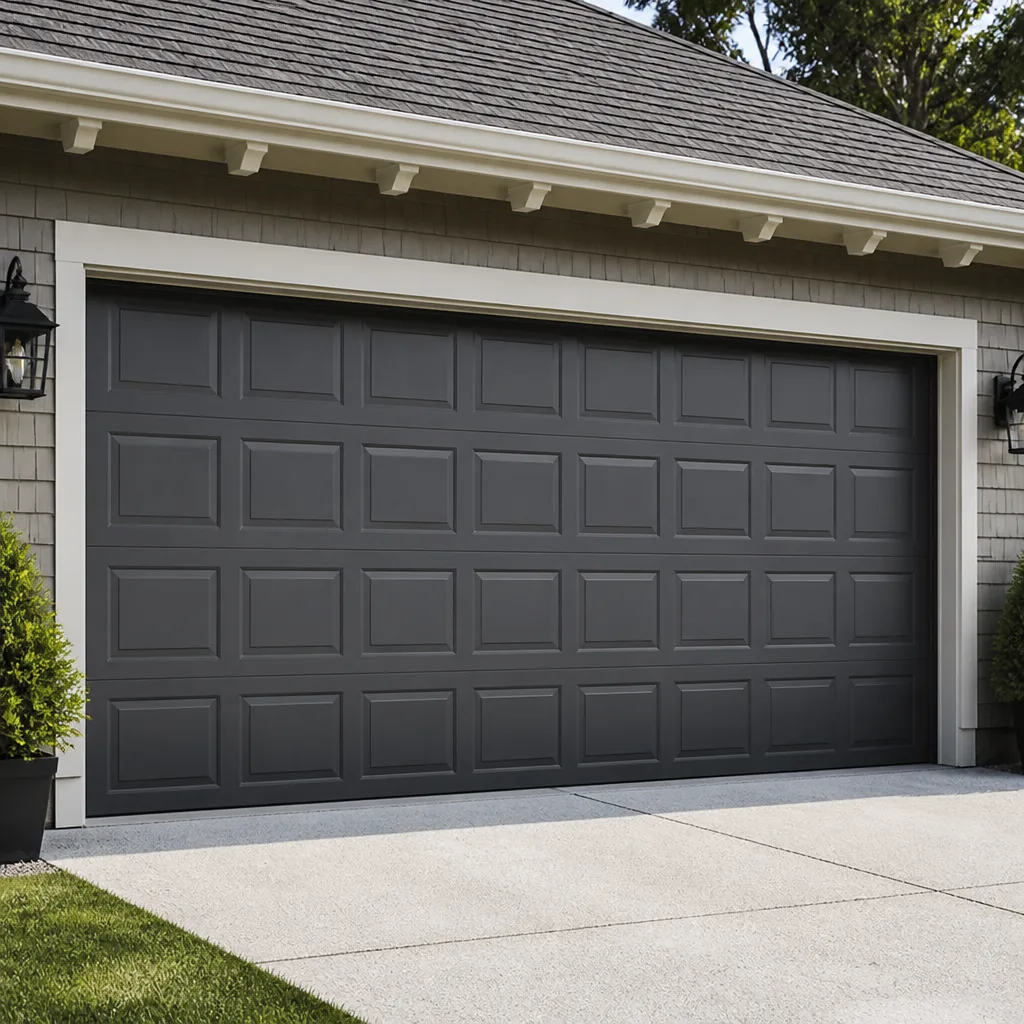 Raised-panel steel
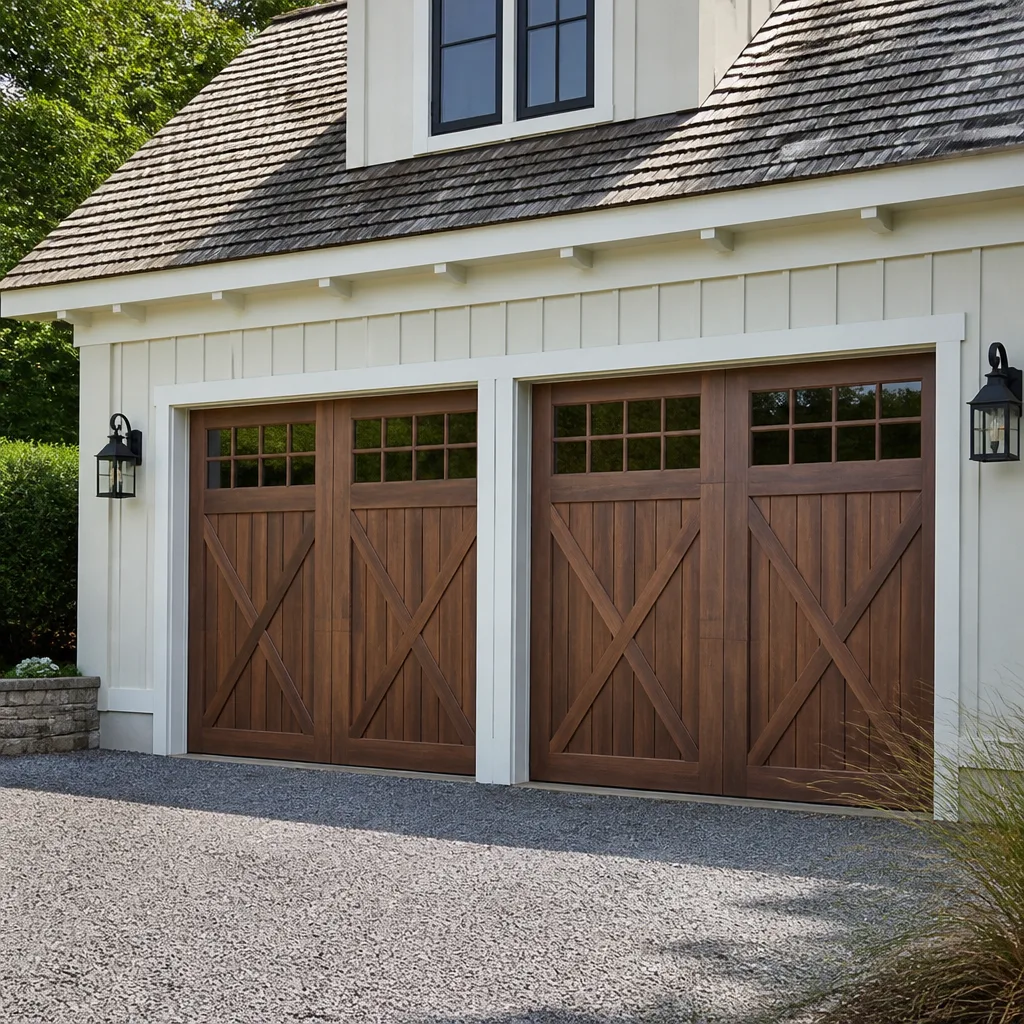 Carriage house
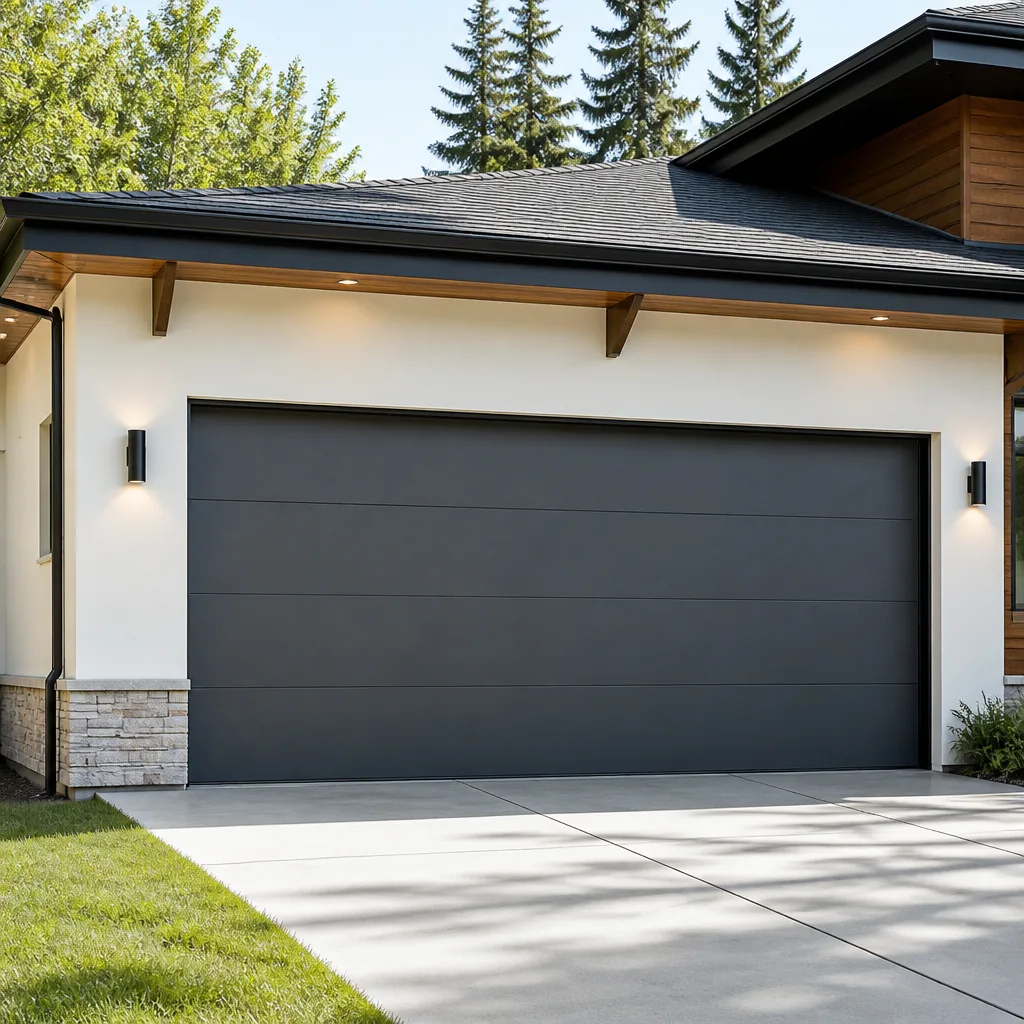 Modern flush
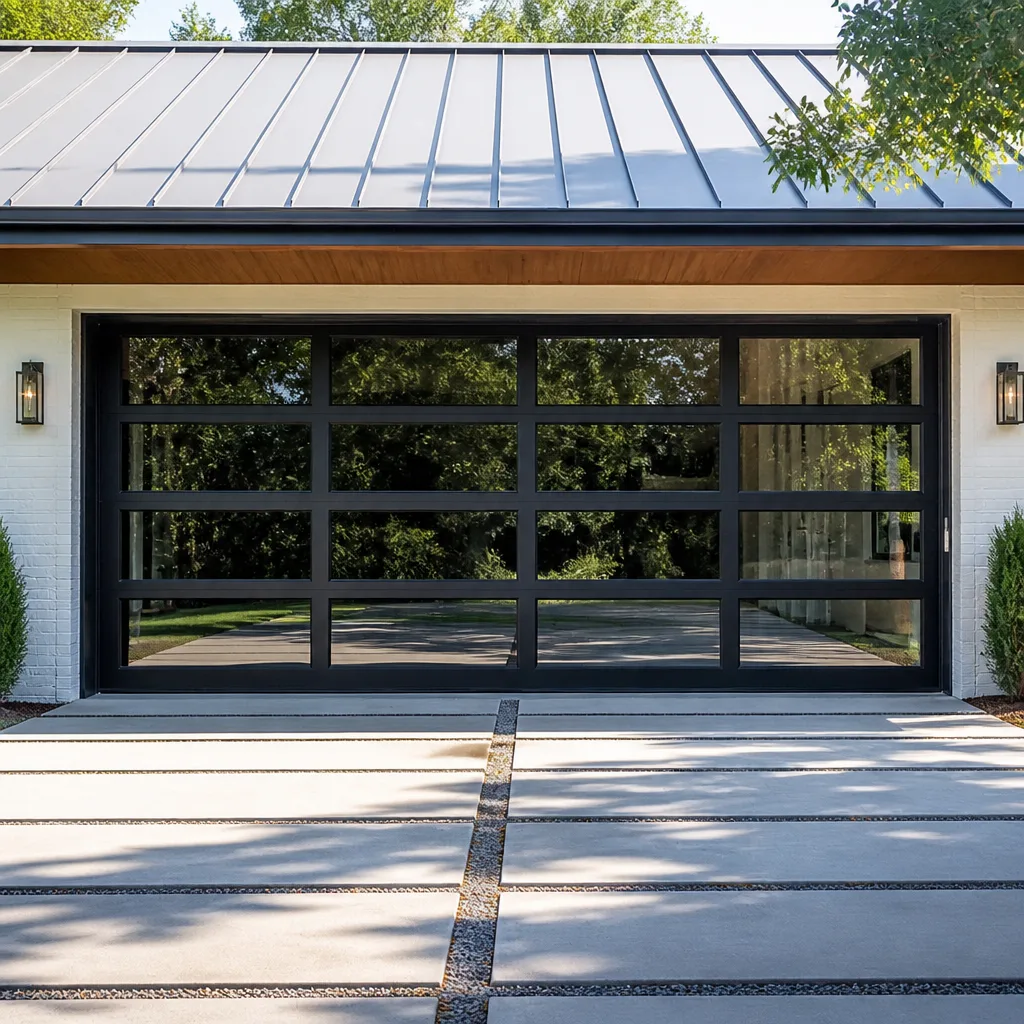 Full-view glass
 LiftMaster openers
 Chamberlain openers
Full 25-point door and opener safety check with every visit - springs, cables, rollers, tracks, and your LiftMaster or Chamberlain opener included
You get a price before we start. It does not change when the pro arrives.
Get your free estimateGarage Door Permits, Codes & Inspections in Middletown, OH: What You Need to Know
Most homeowners in Middletown assume a garage door is a “no permit needed” project, and for a straight swap of one door for another of the same size, they’re usually right. The trouble starts when the opening itself changes. Widen it, raise the header, rebuild the framing to fit a different door, and you’ve moved from a cosmetic swap into structural work on a load-bearing wall that separates your house from your garage. That’s the line most contractors don’t explain before they start. This guide walks through when the Middletown Building Department wants a permit, how Ohio’s residential code treats the door on an attached garage, what wind-load ratings mean for a replacement here in the Miami Valley, and why unpermitted work around that opening can follow the house into an insurance claim or a sale.
Quick Answer
A permit is generally required in Middletown when garage door work changes the structural opening: resizing it, replacing or modifying a header, altering framing, or converting a garage to living space. A like-for-like replacement of a door and its tracks, or a spring or opener repair, typically doesn’t need one. The attached-garage door itself functions as a fire-separation assembly under Ohio’s residential code, so anything that changes how it closes, latches or seals belongs in the hands of a trained professional. Always confirm the current requirement with the Middletown Building Department before work starts, because the answer can shift with the scope of the job.
Styles & brands we work with
- Raised-panel steel
- Carriage house
- Modern flush
- Full-view glass
- LiftMaster openers
- Chamberlain openers
Table of Contents
- When You Need a Permit in Middletown (and When You Don’t)
- How Ohio Residential Code R302 Applies to Your Attached Garage Door
- Wind-Load Ratings and Storm Door Replacement in Middletown
- Permits, Insurance and What a Buyer Will Ask
- What to Do If a Previous Owner Left Unpermitted Work Behind
- What a Garage Door Inspection Actually Looks At
- A Step-by-Step Permit Process for Middletown Homeowners
- How to Pick a Contractor Who Handles the Paperwork
When You Need a Permit in Middletown (and When You Don’t)
The clearest way to think about Middletown garage door permits is to draw the line at the opening, not the door. Repair work on the door, the tracks, the springs or the opener doesn’t change the structure, so it usually falls outside the permit requirement. Work that changes the size or shape of the framed opening does. The Middletown Building Department is the authority that makes the final call, and a quick call before you book the job removes the guesswork.
- Usually no permit: replacing a door with one of the same size and configuration, swapping out a non-operable section, replacing a torsion or extension spring, repairing or replacing an opener, changing tracks or rollers, replacing weather stripping and bottom seals.
- Usually needs a permit: enlarging or reducing the rough opening, removing or replacing a header, re-framing the wall around the door, converting a garage into habitable space, changing a non-operable opening into an operable one.
- Ask the department: any door replacement where the door system weighs significantly more than the original, or where the opening sits in a wall that carries a second-story load.
For most Middletown homeowners, the practical reality is a same-size Clopay or Amarr door swap that never touches the framing. That’s repair territory. Where people get caught is when a bigger door means cutting the header, or when a remodel turns the garage into a den and the door has to close off a now-habitable room. That’s a different job, with a different set of eyes on it. If you’re unsure which side of the line you’re on, describe the scope to the building department in plain terms and let them tell you.
How Ohio Residential Code R302 Applies to Your Attached Garage Door
Ohio’s residential code includes a section, R302, that deals with fire separation between a dwelling and an attached garage. The door in that wall isn’t just a barrier against weather and noise; it’s part of the assembly that’s meant to slow fire and keep exhaust fumes out of the living space. That framing changes the conversation entirely, because repair work on a fire-separation assembly has to preserve what it was built to do.
- The door needs to close fully and latch securely, not stand open by a couple of inches.
- The seal around the perimeter and along the bottom keeps fumes and smoke on the garage side.
- The wall and door together form the separation, so a hole cut through either one matters.
- A door with a missing bottom seal or a bent track that won’t close flush is a code concern, not just a comfort one.
In our experience, most homeowners have never heard of R302, and there’s no reason they would have. The takeaway is simpler than the code number: on an attached garage in Middletown, the door needs to work as a proper closing barrier. That makes precise track alignment, a working automatic operator with functioning safety reverse, and an intact perimeter seal more than maintenance items. If your door drifts off the ground on one side or the motor runs but the door doesn’t seat, that’s worth fixing for reasons that go beyond a draft.
The same logic applies to the door itself. A Clopay or Amarr model built for fire-separation use in a garage wall isn’t interchangeable with an unrated interior door somebody picked up off a clearance rack. If a previous owner swapped in something that doesn’t fit that role, a professional can tell you what you’re looking at and what to do about it. All of this sits behind a simple point: garage doors are all we do, and the code side of that work isn’t an afterthought to us.
Wind-Load Ratings and Storm Door Replacement in Middletown
Wind-load rating is a design measurement of how much pressure a door can take before it bends, bows or fails. In Middletown, wind load is a real consideration, but not the same one a coastal city faces. The concern here is thunderstorm gusts, straight-line wind and the occasional severe system rolling across the Miami Valley, not a named-storm code zone. Hail is uncommon in this part of Ohio, so wind is the practical driver when you’re choosing a replacement door.
Wind-load numbers show up on the door’s product documentation and are tied to the size of the opening and the door’s construction. A wider door catches more wind, so the reinforcement requirements go up. For a replacement in Middletown, that generally means:
- Ask the manufacturer’s spec sheet for the design pressure rating on the door model you’re considering.
- Match the rating to your opening size, not to a generic “storm rated” sticker.
- Confirm the tracks, hinges and roller brackets are rated for the same load, because the door and its hardware have to work together.
- Have the installation done by someone who reads the spec, not just the box.
Where wind load most often matters is on a storm replacement after a door has been bent or blown off track. A door that was already marginal won’t hold up to a second gust. If your current door buckled in a storm, the fix isn’t just re-hanging the original panels; it’s checking whether the door and its reinforcement were ever right for the opening. That’s a conversation worth having with someone who spends their day on doors. You can read more about our garage door repair work if you want to understand how a storm-damaged door gets assessed.
Permits, Insurance and What a Buyer Will Ask
Unpermitted structural work has a way of surfacing at the worst possible time: after a loss, or during a sale. Insurance carriers look at whether the structure in a claim was built and modified within local rules. A home inspector and a buyer’s agent will look at the same thing from a different angle. Neither one is hunting for code violations; they’re asking whether the house matches its record.
- Insurance: a carrier can question coverage, raise a premium or ask for documentation after a claim tied to unpermitted work. We can work with your insurer, but we can’t retroactively fix a paper trail.
- Home sale: a buyer’s inspector flags an altered header or a garage converted without permits, and the deal can stall on it. In this market that’s a real risk, not a hypothetical one.
- Financing: an appraiser may treat an unpermitted conversion as a garage rather than living space, which changes how the home is valued.
- Records: the Middletown Building Department keeps permit history. A missing permit for a job that needed one is a paper gap a buyer’s attorney will ask about.
The reason homeowners in Middletown get surprised is that the work itself looks fine. A well-built header can pass an eyeball test and still lack a permit. The issue isn’t whether the framing is straight; it’s whether the record of that work exists. If you’re planning a structural change to a garage opening, the permit is cheap relative to the consequences of selling a house with an undocumented alteration.
What to Do If a Previous Owner Left Unpermitted Work Behind
You bought the house, and the garage opening doesn’t match the listing, or a remodeled garage looks like it grew out of the original footprint. This is common in Middletown, where older homes have had decades of updates. The first step is to find out what’s actually on record before you panic or spend money.
- Pull the property’s permit history from the Middletown Building Department. Ask specifically about garage-related permits and any garage conversion.
- Compare what’s on record with what’s physically there: opening size, header, wall construction, the door itself.
- Have a garage door specialist assess the door, tracks, springs and operator for safety and function, since the door is the part you interact with daily.
- If the opening is structural and unpermitted, ask the department about the process for retroactive permits or for an inspection that would document the work.
- Get the fix in writing, with the price quoted and agreed before any work starts, so you’re not paying an open-ended bill.
What you shouldn’t do is assume the safest path is to tear everything out. Sometimes a retroactive permit or a documented inspection resolves the gap. Sometimes the opening needs to be re-framed to current standards. A garage door professional can tell you which parts of the work are door-related and which need a permit, and that split is what saves you from doing more work than the situation requires.
What a Garage Door Inspection Actually Looks At
A garage door inspection isn’t a rubber-stamp visit. Whether it’s for a permit-related step, an insurance question or a pre-sale check, an inspector and a door technician are looking at the same core systems from different angles. Here’s what a thorough look covers:
- Structural opening: header condition, framing, and any signs of modification or movement around the opening.
- Fire separation: whether the door closes flush, latches properly and seals against the garage side.
- Tracks and hardware: alignment, bent sections, loose brackets, worn rollers and hinge condition.
- Springs and cables: size, condition and signs of fatigue. High-tension springs and cables are genuinely dangerous, which is why we recommend a trained professional handle any spring work and avoid telling anyone to attempt it themselves.
- Opener: motor function, safety reverse, remote and wall control operation, and balance of the door on its springs.
- Seals and weather strip: bottom seal condition and perimeter gaps, which affect both fumes and drafts.
If the inspection finds a failing spring, that’s repair work, not a permit issue, and our garage door spring repair page explains the process. If it finds an opener that won’t reverse or a door that won’t close, that’s a call to garage door opener repair. The point is not to bundle everything into a single scary list; it’s to separate permit-level concerns from straightforward repairs so you know where the money actually goes.
A Step-by-Step Permit Process for Middletown Homeowners
If your job does need a permit, the process is straightforward when it’s laid out. The order below is a general framework; the Middletown Building Department sets the actual requirements and fees for your specific scope, so confirm each step with them.
- Define the scope. Write down exactly what’s changing: door size, opening size, header work, framing, electrical for a new opener. Be specific, because the permit is issued for a specific scope.
- Call the building department. Ask whether your scope needs a permit and what the application requires. Do this before you buy a door.
- Get a written estimate. The price for the job is quoted and agreed before work starts, so you know the number before you commit and the written estimate sets the final price.
- Apply for the permit. Provide the scope, the door specifications including wind-load rating if applicable, and any drawings the department asks for.
- Do the work in the permitted order. Structural work before the door goes on; door installation and alignment after the opening is complete and inspected at whatever stages the department specifies.
- Schedule the inspection. Have the door, tracks, hardware and opener ready to demonstrate. A door that won’t close or a safety reverse that doesn’t function will fail an inspection.
- Keep the paperwork. Store the permit, inspection record and door documentation with your home records. That file is what you hand a buyer or an insurer.
How to Pick a Contractor Who Handles the Paperwork
The contractor you choose should know which jobs need a permit before you ask. If a contractor looks surprised at the question, that’s your answer. A specialist who works on garage doors every day has run into the permit line many times and can tell you which side of it your job sits on before anyone swings a hammer.
- Ask outright whether the scope needs a permit and who files it. You want a clear answer, not “we’ll see how it goes.”
- Ask for a written estimate with the price quoted and agreed before work starts. A verbal number that changes once the door is off the tracks is a red flag.
- Confirm they work on the brand you already have. A company fluent in Clopay and Amarr, LiftMaster and Genie, Chamberlain and Craftsman, Wayne Dalton and Raynor can finish the job without sending you to a second vendor.
- Ask about the dangerous parts: high-tension springs, cables under load, and the opener’s safety reverse. A contractor who explains the safety aspect without a sales pitch is the one to keep.
- Match the scope to the contractor. New door selection, installation, opener work, spring repair and emergency calls are all garage door work, and a company focused entirely on doors isn’t learning on your garage.
When it comes to actually doing the door work, our technicians have up to 9 years of experience, and every job is quoted before the work begins. If a door is on the ground or a spring has snapped and the garage is open to the street, we offer emergency garage door service. You can start with our Garage Door Repair Middletown Pros page to see how we approach a job from the first call.
Common Mistakes to Avoid
- Assuming all door replacements need a permit. Most same-size swaps don’t, and paying for a permit on a repair that doesn’t require one is money spent on paperwork nobody asked for. Confirm the scope with the department before you assume.
- Cutting the header before checking. Enlarging an opening means changing a structural member, and that’s the exact job that needs a permit. Get the answer before the saw goes in.
- Letting the permit get filed after the work is done. Ohio code and the city’s process expect approval first. Retroactive permits can be harder and sometimes mean tearing out finished work.
- Ignoring the fire separation. A door that won’t close flush on an attached garage isn’t just a draft problem. It’s part of what keeps fumes and fire on the garage side, and a technician should correct it.
- Buying a storm door with no wind-load information. A “heavy duty” label on a box isn’t a design pressure rating. Get the spec sheet and match it to the opening, especially on a wide door here in Middletown.
- Skipping the paperwork when you sell. A buyer’s inspector will look at a garage conversion or an altered header, and the missing permit becomes a negotiating point. Keep the permit record with your home file.
- Tackling spring or cable work yourself. High-tension springs and cables can cause serious injury. This is the one area where calling in a trained professional isn’t optional.
See the difference
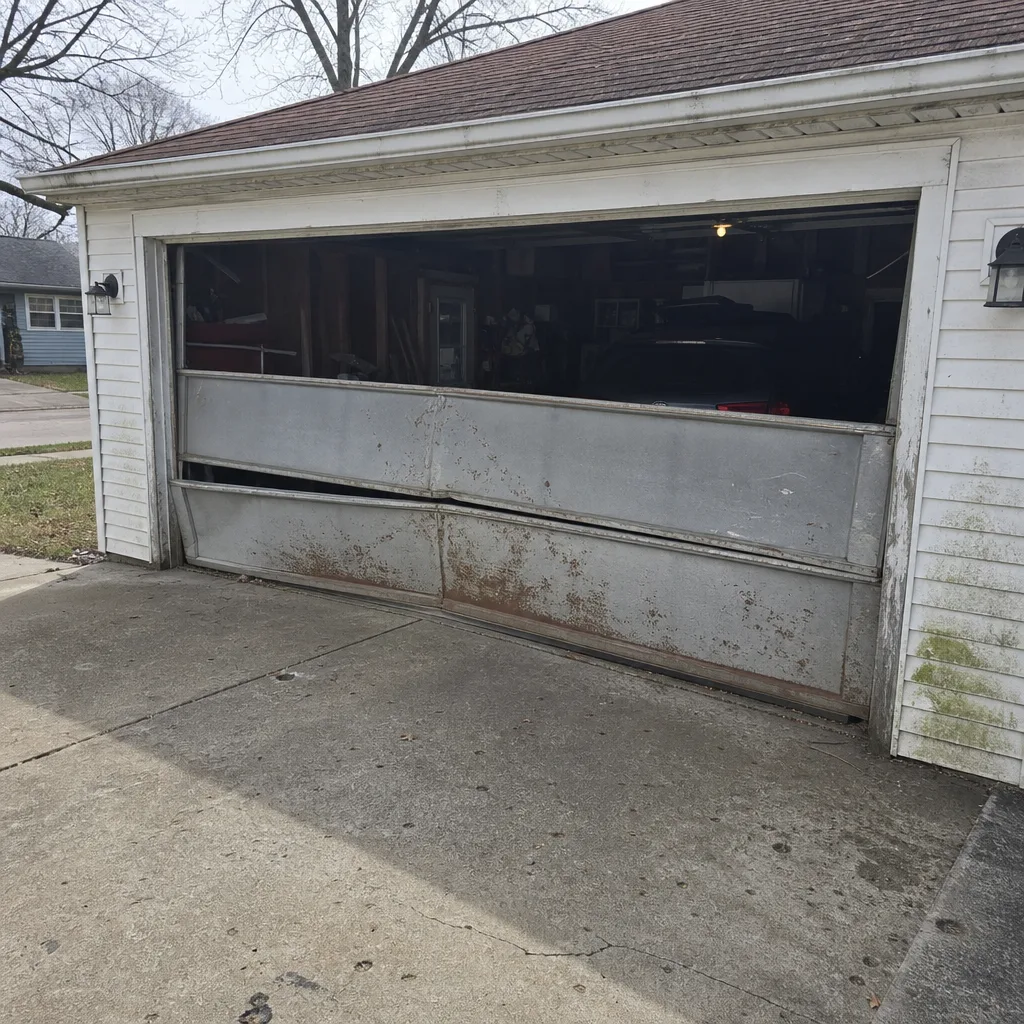 Before
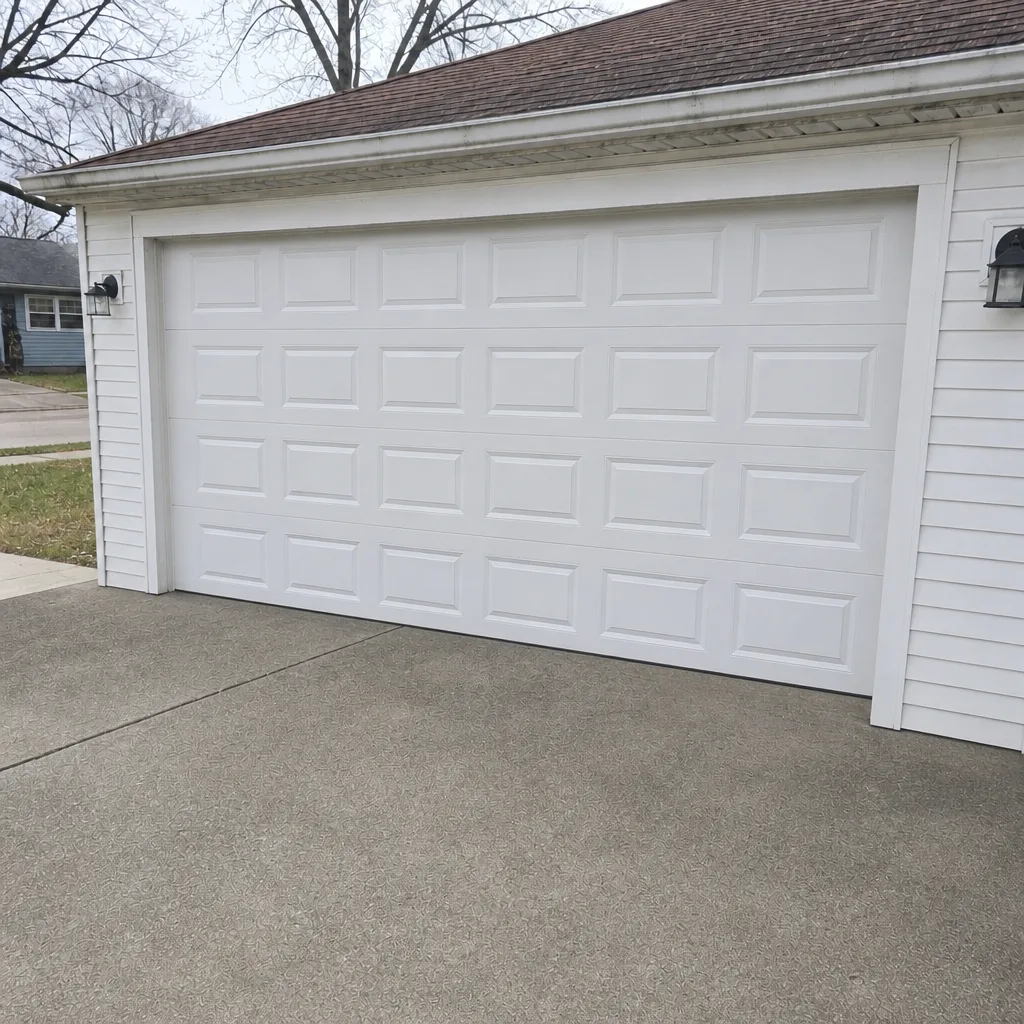 After
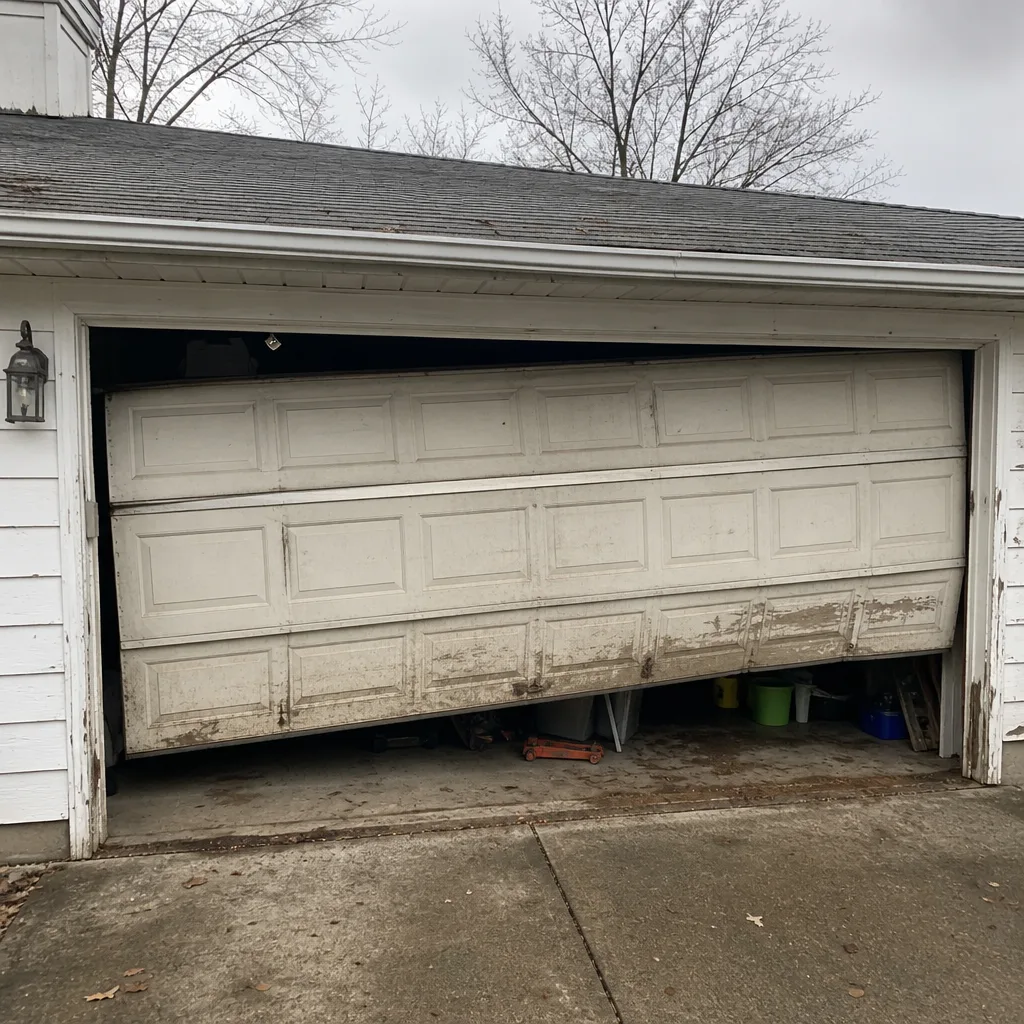 Before
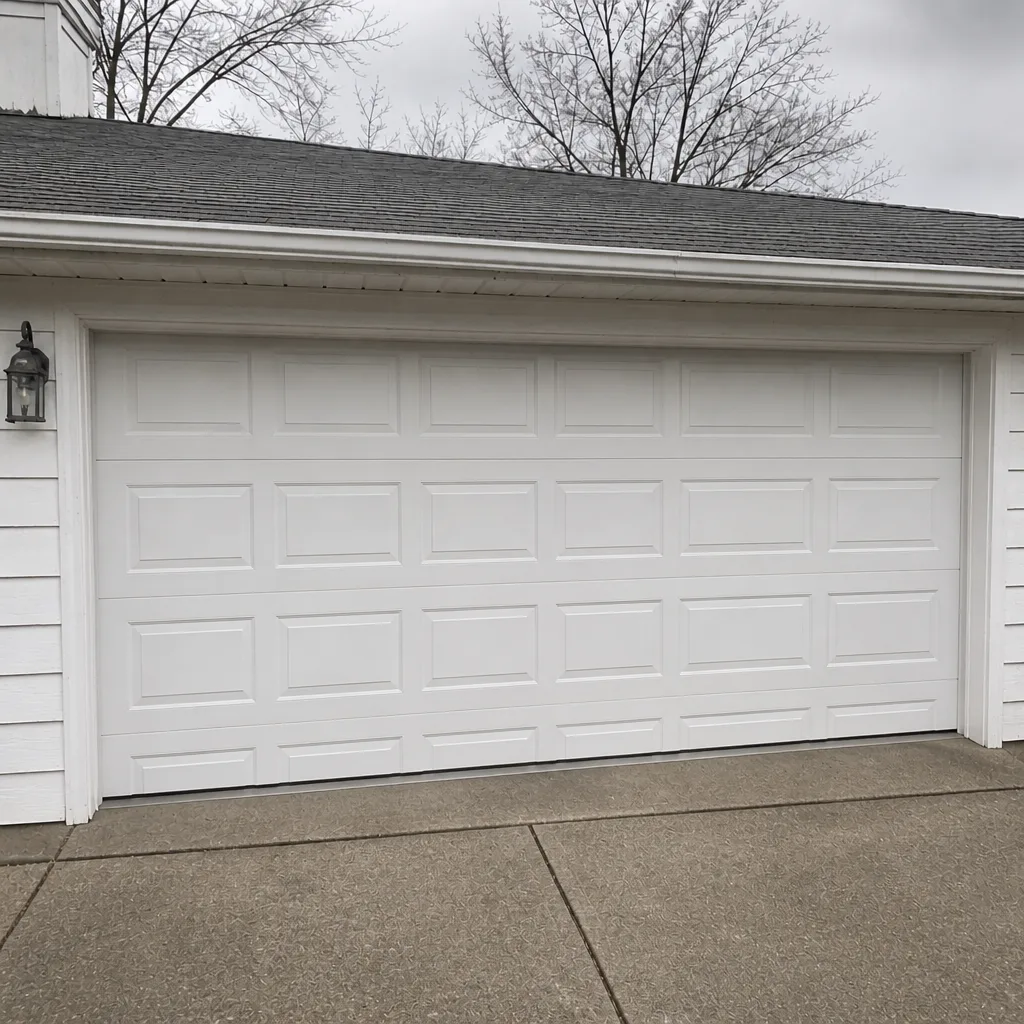 After
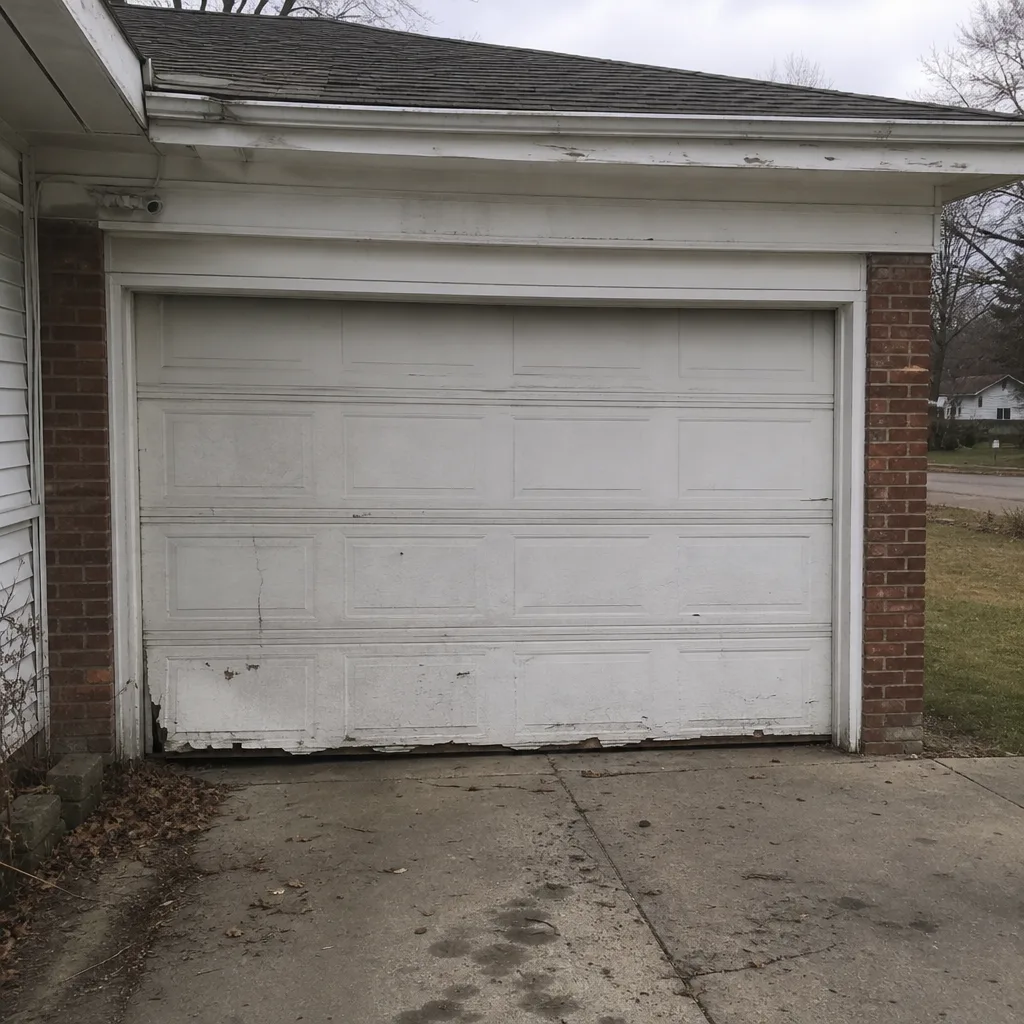 Before
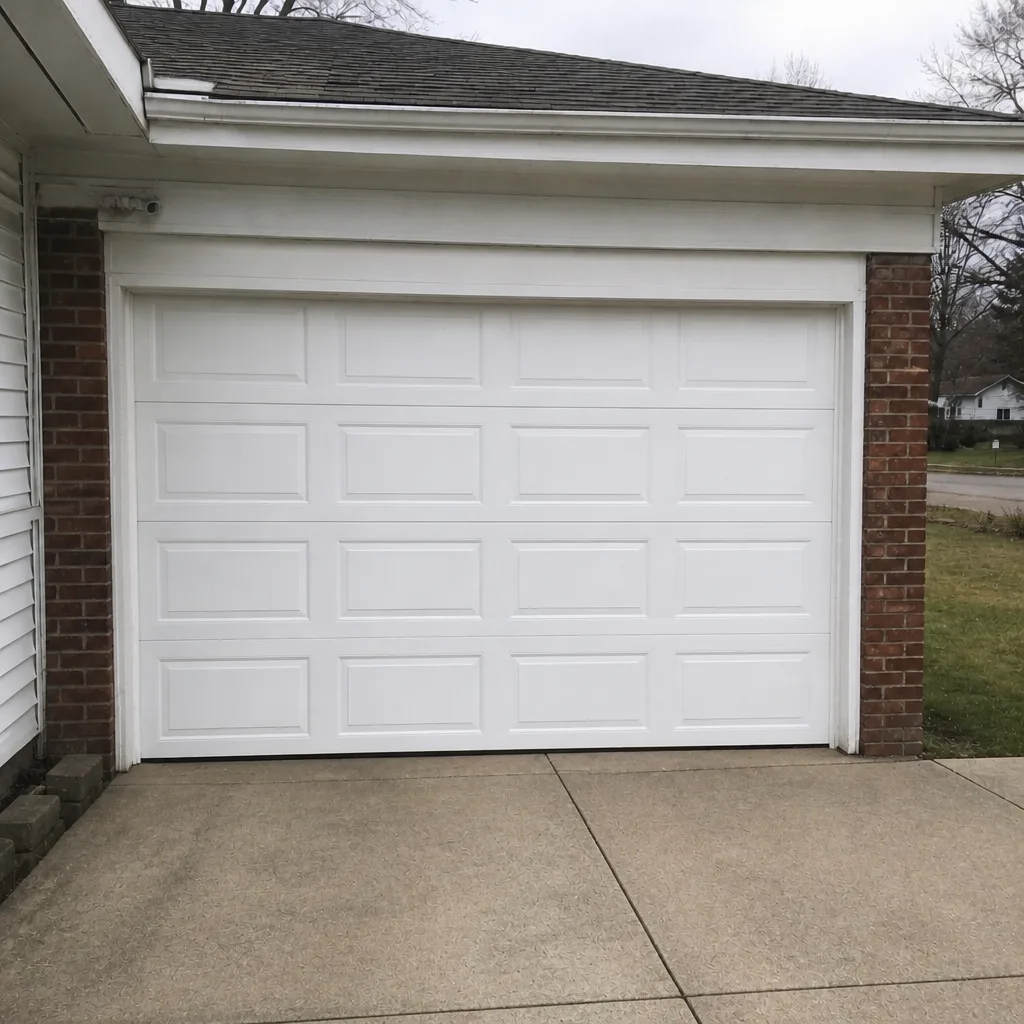 After
When to Call a Professional
Call a professional if your project touches the opening or header, if a door won’t close flush on an attached garage, if a spring or cable has failed, if the opener runs but the door doesn’t move, or if a storm has knocked a door off its tracks. Those are the scenarios where the work moves past a maintenance item into something with a safety or code element. Spring and cable work in particular should never be a homeowner job, and a door that won’t latch is a fire-separation issue, not just an inconvenience. Garage Door Repair Middletown Pros offers free estimates in Middletown, with prices quoted and agreed before any work starts, so you know the number before anything happens. Call (833) 508-9328 and we’ll help you figure out what’s a permit issue and what’s a repair.
Frequently Asked Questions
Usually not, if the new door is the same size as the old one and you’re not changing the opening. A like-for-like replacement of the door, tracks and springs is repair work in most cases. If the opening size, header or framing changes, the Middletown Building Department will typically want a permit, so call and confirm your scope before work starts. For an exact quote on the door work itself, call (833) 508-9328 – estimates are free.
R302 is the section of Ohio’s residential code that addresses fire separation between a dwelling and an attached garage. It applies to the wall and door between your house and your garage, so the door needs to close fully and latch securely to function as part of that separation. A door that won’t seal or an opening that’s been modified without a permit can compromise that barrier, which is why it matters even on a repair. Call (833) 508-9328 if a door won’t close properly.
It can, and it often does. An insurer may question coverage after a claim tied to work that wasn’t permitted, and a buyer’s inspector will flag an altered header or a garage conversion that isn’t on record, which can stall a sale. The Middletown Building Department keeps permit records, so a gap in the file is findable. If you’re facing this, call (833) 508-9328 to find out which parts of the work are gate-related and which need the department’s input.
Yes, in many cases. A broken spring that’s locked the door down, an opener that’s failed, or a door off its tracks is the kind of repair that can often be handled the same day. We’re open Sunday through Friday, 7am to 7pm, and closed Saturday. If something fails on a Saturday, call and we’ll book you for Sunday. Call (833) 508-9328 and we’ll get you scheduled.
There’s no single number that fits every garage in Middletown; it depends on the door size and the manufacturer’s specifications for your opening. The practical answer is to get the product spec sheet from the manufacturer and match the design pressure rating to your opening, then make sure the tracks and hardware are rated for the same load. Hail isn’t the driver here, wind gusts are. Call (833) 508-9328 and we’ll walk through what your opening needs.
Start by pulling the permit history from the Middletown Building Department so you know what’s on record. Then have a garage door professional assess the door, springs and opener for safety, and ask the department what retroactive documentation would resolve the gap. You don’t necessarily need to tear out the work; sometimes a documented inspection or a retroactive permit is enough. For a free estimate on the door side, call (833) 508-9328.
The Bottom Line
The permit question in Middletown comes down to scope. A same-size door replacement, a spring repair, an opener fix or new tracks is ordinary repair work, and most of it doesn’t need a permit. Changing the opening, cutting a header or re-framing the wall does, and that’s the line most contractors skip past. The attached-garage door is also part of a fire-separation assembly under Ohio’s residential code, so a door that won’t close is worth fixing for reasons beyond comfort. And any unpermitted structural work around that opening follows the house into insurance and sale conversations whether you like it or not. Know which side of the line your job is on, get the price quoted and agreed before work starts, and confirm the requirement with the building department. If you need door work done on any brand, from Clopay to Genie, call (833) 508-9328 for a free estimate.
Written by the team at Garage Door Repair Middletown Pros.