Last updated November 21, 2026
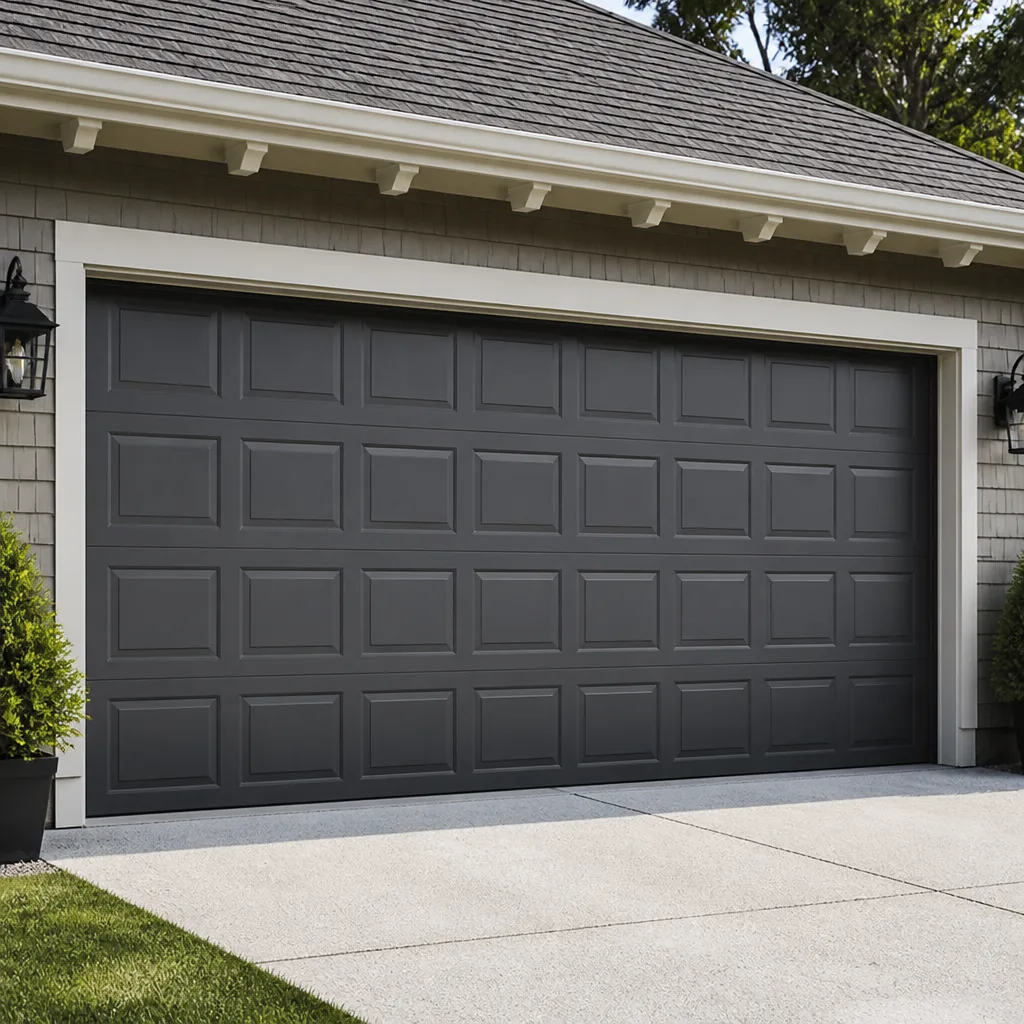 Raised-panel steel
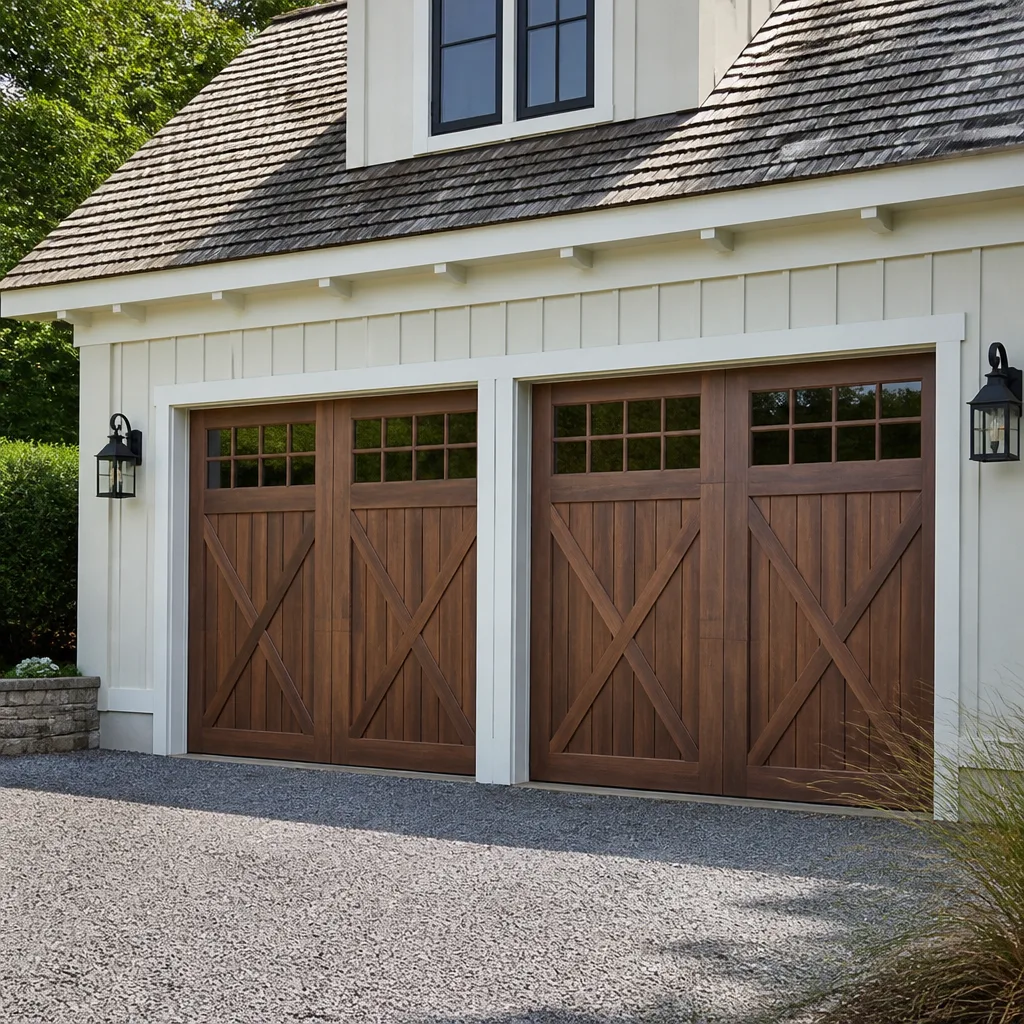 Carriage house
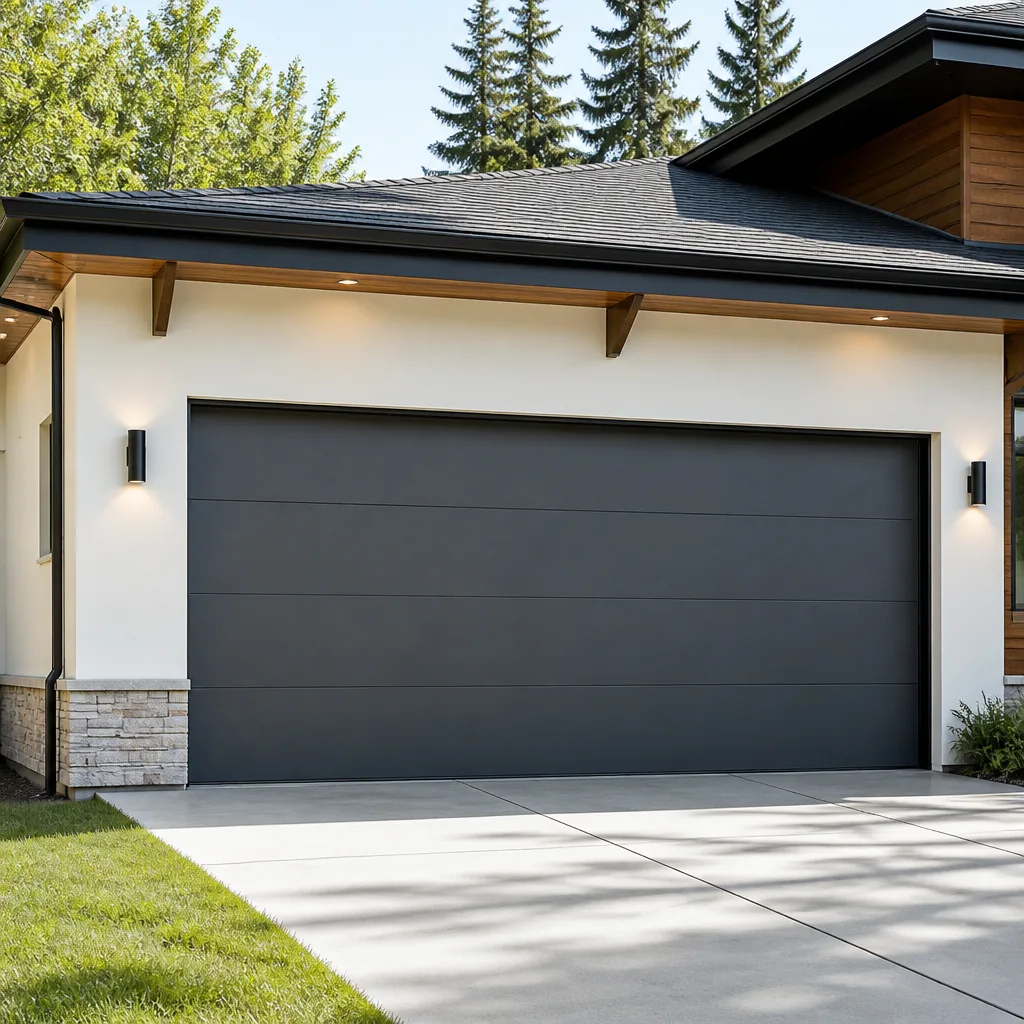 Modern flush
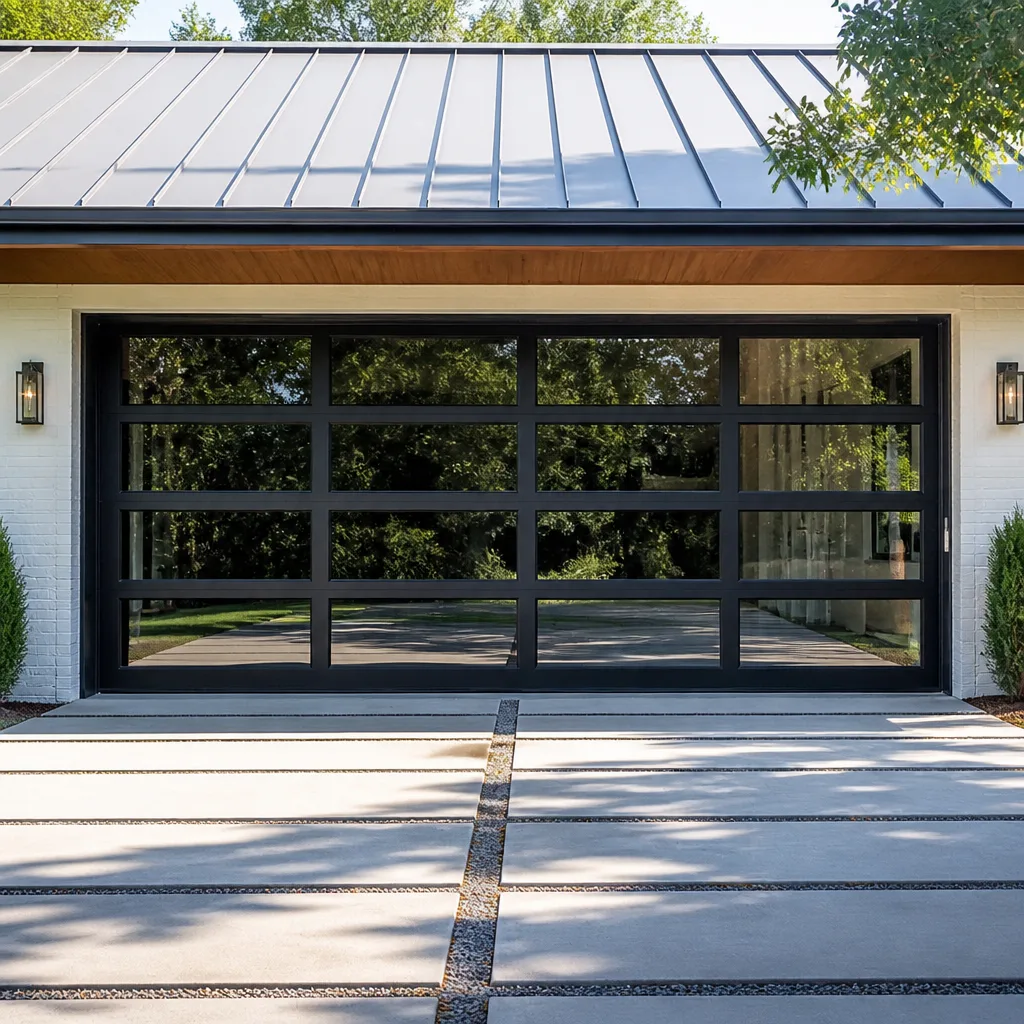 Full-view glass
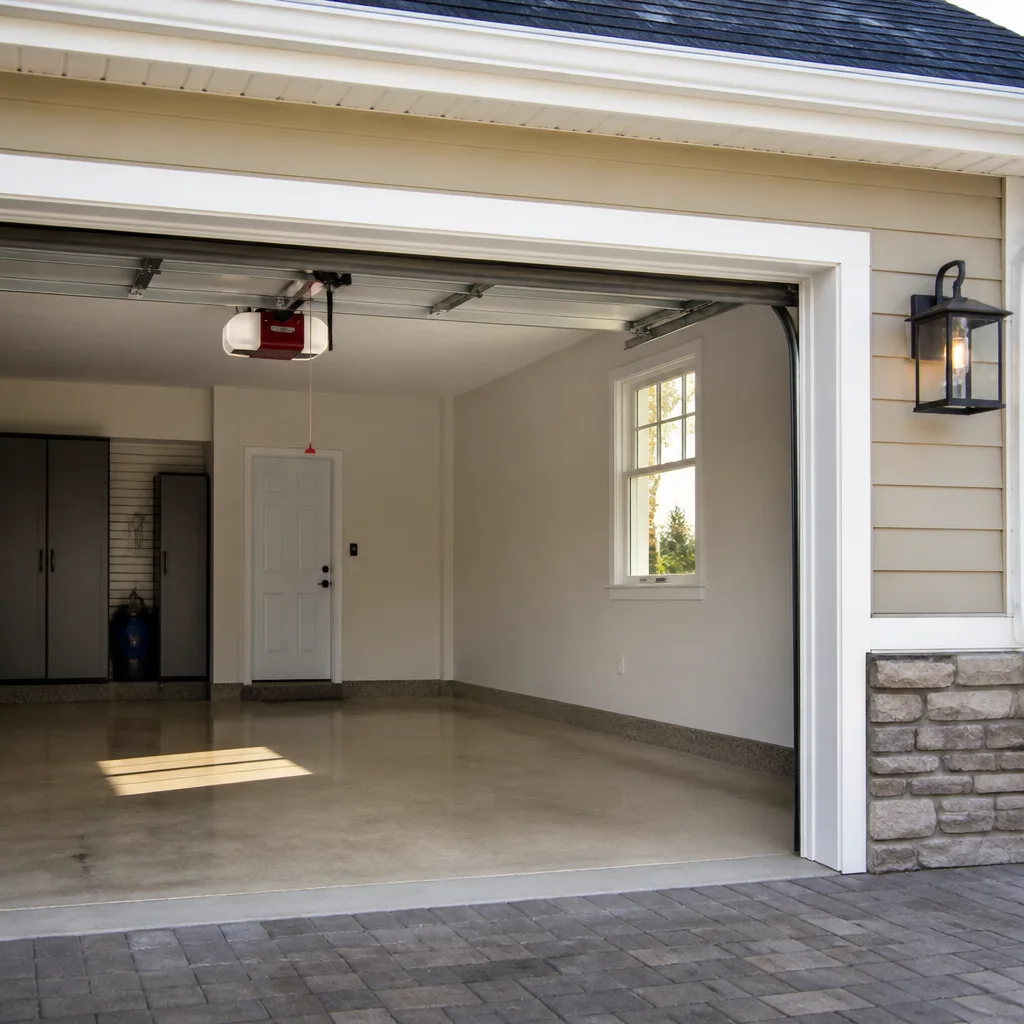 LiftMaster openers
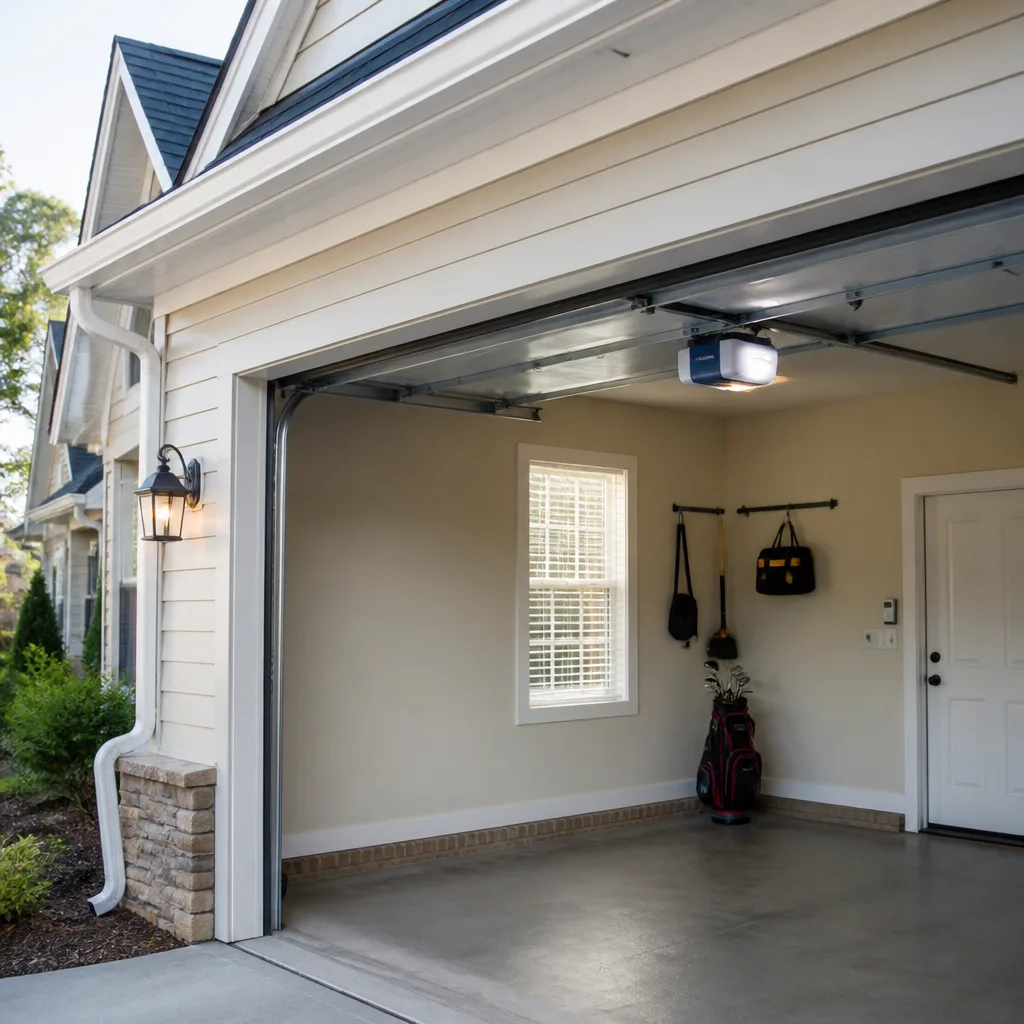 Chamberlain openers
Full 25-point door and opener safety check with every visit - springs, cables, rollers, tracks, and your LiftMaster or Chamberlain opener included
You get a price before we start. It does not change when the pro arrives.
Get your free estimateDIY vs Professional Garage Door: The Middletown Homeowner’s Decision Guide
Garage door springs hold hundreds of pounds of stored tension. A torsion spring that lets go unexpectedly doesn’t give you a second chance to try it differently. That’s not a scare tactic; it’s the physics of the job. Most of what goes wrong with a garage door falls into two very different buckets. Some tasks reward a mechanically comfortable homeowner with an afternoon of saved money. Others carry injury risk that no tutorial removes, no matter how many times you watch it. This guide sorts every common job into the bucket it belongs in, so you can decide with clear eyes what’s worth doing yourself here in Middletown and what genuinely isn’t.
Quick Answer
Lubrication, sensor alignment, remote reprogramming, and weatherstripping replacement are safe and genuinely worthwhile for most homeowners to handle. Anything that touches the springs, cables, or track alignment is not DIY work: those parts store or route serious force, and the injury record on spring and cable jobs is the reason the line exists. If you’re unsure which bucket your problem is in, a free estimate settles it before you spend a dime on tools or parts.
Styles & brands we work with
- Raised-panel steel
- Carriage house
- Modern flush
- Full-view glass
- LiftMaster openers
- Chamberlain openers
Table of Contents
- Why Garage Doors Draw a DIY Line at All
- The Jobs That Are Genuinely DIY-Safe
- The Jobs That Aren’t: Springs, Cables, and Tracks
- The Honest Injury Picture on Spring and Cable Work
- What DIY Really Costs vs. Hiring It Out
- What Partial DIY Looks Like in Practice
- How to Choose a Pro in Middletown
- What to Tell Your Tech About What You’ve Tried
Why Garage Doors Draw a DIY Line at All
Almost every part of a garage door is friendly to a homeowner with a wrench. The door itself, the hinges, the rollers, the seals, the opener electronics: all of it tolerates careful hands and a Saturday afternoon. The exception is the spring-and-cable system, and the exception is total. That’s the assembly that balances the full weight of the door so a person (or an opener motor) can lift it with one hand. When a torsion spring is wound to working tension, it’s holding a load that is very real and very unforgiving.
That split is why the DIY question here isn’t about confidence or skill. A homeowner who can rebuild a motorcycle engine is still not the right person to wind a torsion spring, because the risk isn’t a knowledge gap. It’s stored energy and the narrow margin for a slip. The spring doesn’t care how careful you’ve been. It releases on its own schedule if the winding bars aren’t seated correctly or the set screws aren’t torqued properly, and there’s no partial version of that failure.
Middletown homes make this distinction easy to see in practice. This is a town of older houses and newer builds, garages attached, detached, and tucked at the end of alleys, and the doors on those houses range from decades-old wood panels to current steel models. The age of the door changes the task list (an old door needs more lubrication and roller attention; a newer one may only need sensor checks), but it never changes which side of the line the springs land on.
If a spring has failed on your door, the task isn’t a DIY project with a hard rating; it’s a job. That’s the first place to draw the line for most Middletown homeowners.
The Jobs That Are Genuinely DIY-Safe
There’s real money and real satisfaction in handling the low-risk end of garage door care yourself, and we’d rather tell you that than sell you a service call you don’t need. These jobs are within reach for a homeowner with basic tools and a little patience. None of them involve stored tension or overhead force.
- Lubrication. A dry door groans, runs slow, and wears rollers faster. A light application of garage-door-rated lubricant on the hinges, rollers, and tracks keeps the whole assembly quiet. Do it once or twice a year depending on use, and never use WD-40 as a substitute for proper door lubricant; it attracts dust and gums up over time.
- Safety sensor alignment. The two little eyes near the floor on each side of the door stop it from closing on something in the way. If the door reverses for no reason, the sensors are almost always knocked out of line, dusty, or blocked. Wipe the lenses, confirm the indicator lights on both units are steady, and nudge them back into alignment. This is the single most common “the door is broken” call that isn’t actually broken.
- Remote and keypad reprogramming. Remotes that stop working usually just need to be re-paired, and the process is in your opener’s manual (LiftMaster, Chamberlain, and Genie all publish it online). If one remote works and another doesn’t, the opener is fine and you’re reprogramming, not repairing.
- Weatherstripping and bottom seals. The rubber seal along the bottom of the door, and the strips around the frame, dry out and crack. Replacing them is a straightforward job with a screwdriver and a few dollars in material, and it makes a real difference to drafts and water intrusion.
- Basic visual inspection. Running the door by hand (with the opener disconnected) and looking for frayed cables, bent hinges, or a door that’s out of balance tells you when to stop DIY and call. It’s the cheapest diagnostic you have.
None of these require special tools beyond a lubricant can, a screwdriver set, and a ladder. If you’ve got those and you’re comfortable on a stepladder, they’re yours to handle.
The Jobs That Aren’t: Springs, Cables, and Tracks
This is where we stop encouraging and start being plain with you. These are the parts that carry the force in a garage door system, and getting them wrong isn’t a matter of a door that malfunctions; it’s a matter of injury. No amount of tutorial-watching or mechanical confidence changes the physics. We’re not going to give you step-by-step instructions on these, because that would be irresponsible. We’ll explain what’s happening and why a trained technician is the right call, and leave the winding bars to them.
- Spring replacement (torsion or extension). A torsion spring is wound to tension that balances the door’s weight; an extension spring holds similar load on cables along the sides. Both store energy that releases instantly if the spring fails or is released wrong. A snapped spring can whip a winding bar with enough force to break bones. This is the one task where we tell every homeowner, no exceptions, no matter their background.
- Cable replacement. The cables run from the springs along the sides of the door, and they’re under tension from the spring every second they’re in service. A cable that’s cut or released without the spring properly de-tensioned first will whip. Even a visually frayed cable is a job to hand off, not a job to cut.
- Track realignment. A door that’s come out of its track is off its safety path. Tracks are bent, doors are re-hung, and the alignment depends on the springs and cables being correct first. Trying to force a door back onto its track by hand can put a person under a door that’s ready to drop, or get fingers caught between the panels and the track. A door that’s jumped the rail is a “call someone” moment, not a “brace and shove it back” moment.
The Middletown winter makes this even more pointed: cold stiffens rubber seals, rollers, and lubricant, so a door that was sputtering in October can fail outright on a January morning. Cold-stressed cables and springs are exactly the ones you don’t want to test with your own hands. If your door won’t move at all, the right move is a text or call, not a pry bar.
If your cables or springs are the problem, that’s the moment to stop and let a trained hand handle it. A free estimate tells you what needs replacing before anything gets dangerous.
The Honest Injury Picture on Spring and Cable Work
We’re not going to throw a scary statistic at you that we can’t back up, and we’re not going to pretend we know the exact national count of garage-door injuries. What we can tell you honestly is what the physics of the job means in practice, and why the safety agencies and the trade itself draw a hard line around spring and cable work.
Here’s the honest version. A garage door spring is a metal coil compressed and held by mechanical stops. When it’s in service, it’s bearing a load that’s typically measured in the hundreds of pounds across the whole door weight it’s balancing. When it fails, or is released unexpectedly during a repair attempt, that load doesn’t dissipate gently; it releases violently. The winding bars a tech uses to tension a torsion spring can become projectiles if they’re not seated correctly, and a homeowner using screwdrivers or vice grips in place of proper winding bars is creating exactly the failure mode that the trade’s rules exist to prevent.
We frame this not to alarm, but for the same reason a real electrician tells you to turn off the breaker: because the people who do the work know what the failure looks like and don’t want you near it. The bottom line is that the DIY line for garage doors is drawn by the injury record on the tension-loaded parts, not by the fact that door repair is somehow mysterious. The mechanical parts are simple. The force on them is not.
If you’re shopping around for a repair and want to know what the safety side of a real repair looks like, that’s the part of the work our technicians take seriously. Our technicians have up to 9 years of experience and work tension-loaded parts every week. That’s not a credential you can watch on YouTube.
What DIY Really Costs vs. Hiring It Out
A lot of homeowners assume DIY is basically free compared to a repair bill, and for the lubrication-and-sensor jobs, that’s true. But when you start pricing the tension-loaded parts and the specific tools needed to install them safely, the gap narrows fast. Here’s the honest cost math, task by task, as we see it in the Middletown market.
- Lubrication and sensor alignment: A can of garage-door lubricant and a clean rag. This is the DIY side of the line, and it’s genuinely cheap. There’s no reason to pay a service call for these.
- Remote reprogamming and bottom-seal replacement: A few dollars in materials for the seal, free for the remote reprogramming if the manual is online. Still on the DIY side.
- Single-spring replacement: A professional spring repair in the Middletown area typically runs a modest service charge plus the spring, with a matched pair usually replaced together at about twice the cost of one spring. A homeowner cost-math comparison should include the opening charge to have a technician assess and do the job properly, and the fact that a proper job includes the correct spring, correct winding bars, and warranty on the part.
- DIY spring cost: The spring itself is the low line item; retail springs run more than trade cost, and the tooling (winding bars, proper containment) is a real cost. Then there’s the part most DIY cost math misses: the callback cost. A DIY spring job that goes wrong is a service call to fix what was started plus the parts, and a door that was driven or forced during a failed attempt can need more than the spring. That’s the number that flips the math.
- Opener and door installation: There’s no realistic DIY path here. A replacement door or opener involves measuring, ordering, disposal of the old door, and proper re-tensioning of the new assembly. Any honest estimate for door replacement is a measured, quoted job, not a project you buy at the big box and self-install.
The general shape of it: the cheap end of DIY is genuinely cheap, and the expensive end carries a callback cost that erases the savings if anything goes wrong. For jobs across the tension line, the cost comparison is really about risk, not money. The written estimate sets the final price, and it’s quoted and agreed before any work starts, so the number you’re comparing against is the number you’ll actually see.
What Partial DIY Looks Like in Practice
Most homeowners we talk to land here: they don’t want to do the whole job, but they’re not looking to pay a service call for the easy parts either. That’s a perfectly good arrangement, and it’s how a lot of garage door work gets done. Partial DIY works because you’re handling the low-risk prep and the simple fixes while leaving the tension-loaded parts to a technician. Here’s how that split looks.
- You diagnose what you can. Run the door by hand with the opener disconnected. Note whether it feels balanced, where it grinds, and whether the sensors are lit. That information is genuinely useful to whoever looks at it next.
- You clear the grime. Wipe down the tracks and lubricate the moving parts. Clean tracks make a technician’s job faster, and you’re not handling anything under tension.
- You handle the seals and remotes. Replace the bottom seal if it’s cracked and reprogram the remotes that stopped working. Those are your jobs.
- You stop at the spring, the cable, and the track. The moment your diagnosis points at a tension-loaded part, you call the professional. Everything else you handled, and the service call is just for the part you shouldn’t touch.
What partial DIY gets you is the satisfaction and savings of the safe jobs, plus the confidence that the risky part was done right. It also gives the technician a head start, so the visit is focused on the actual repair. If you’ve already done the prep and want a technician to take it from there, tell us what you found when you call. A free estimate covers the rest.
How to Choose a Pro in Middletown
If you’ve decided a job is beyond DIY scope, the next question is who does it. The best way to choose is to look for a shop that works on garage doors specifically, not a generalist who also happens to do doors. A specialist has seen your kind of door a thousand times, has the right springs on hand for the older brands, and knows the difference between a door that’s out of balance and one that needs a new opener. A generalist is guessing.
Ask these questions before you book:
- Do you work on the brand I already own? The right answer names your brand (LiftMaster, Chamberlain, Genie, Raynor, Clopay, Amarr, Wayne Dalton, Craftsman) without hesitation. A shop that only carries one brand is a shop that will try to sell you a new door.
- Is the estimate written and agreed before work starts? Any honest shop will put the price in writing and stand behind it. A verbal estimate over the phone that changes once they arrive is a sign to hang up.
- Do you handle both repair and installation, or do you send installation out? A single-trade specialist covers the whole job, so you’re not handed between two companies when a repair turns into a replacement.
- Do you offer emergency service for a stuck or broken door? Not all homeowners need it, but knowing the shop can back you up when the door won’t move is a real comfort in the middle of a cold Middletown morning.
- Are the parts under warranty? A new spring or opener should carry a manufacturer warranty on the part.
Those five questions filter out most of the bad choices. For an overview of who handles which kind of work, our Garage Door Repair Middletown Pros page lists the services we cover.
What to Tell Your Tech About What You’ve Tried
Telling a technician what you’ve already tried saves both of you time, and it helps them avoid repeating a fix that’s already been done. The more specific you are, the faster the diagnosis, and the less likely a part gets replaced that was fine all along. If you’ve handled the sensor alignment and it didn’t fix the problem, that’s a technician’s clue that the issue is elsewhere; if you’ve already lubricated and it’s still grinding, that points at a worn roller or hinge.
Here’s what to have ready when you call:
- What the door does when you use the opener or the wall button, in plain words: “it reverses halfway up,” “it goes up but not down,” “the motor runs but the door doesn’t move.”
- What you’ve already tried: the sensor alignment, the remote reprogramming, the lubrication, the manual operation with the opener disconnected, and whether those changed anything.
- The brand and model if you can find it (it’s on the opener housing and usually on the door’s inside panel). A shop that works on all the major brands will recognize it instantly.
- What you’ve replaced and when. If you had a spring or opener replaced a few months ago, that’s relevant context.
- Whether the door is stuck, off-track, or unsafe to operate. If a door has come out of its track or a spring has let go, don’t run it; call instead.
That picture is what lets a specialist quote the job accurately rather than guessing over the phone. For a spring or opener that’s still failing, a garage door spring repair gets the tension-loaded part handled by someone who does it every week. If the opener is the failing piece, garage door opener repair covers the motor, remote, and safety-reverse side of the equation. And for the broader call, garage door repair is the general starting point for anything that doesn’t fit neatly in one bucket.
Common Mistakes to Avoid
- Reaching for a pry bar when the door is off its track. A door that’s jumped the rail is being held by a system that’s already compromised. Prying it back can drop several hundred pounds on you. Leave it alone and call.
- Using WD-40 as a lubricant. It feels like it’s working for a day, then attracts dust and grime into the joints and makes the problem worse. Use a genuine door lubricant.
- Winding a torsion spring with screwdrivers or vice grips. This is the most dangerous version of the DIY mistake, and it’s a common one. The proper winding bars exist for a reason; anything else can slip under load. In Middletown, a winter cold snap makes the metal more brittle and the risk higher, not lower.
- Assuming a reversing door is a sensor problem because the sensor lights are on. A misadjusted safety-reverse or a binding track will also stall a door. Check the manual operation before buying new sensors.
- Buying a replacement door at a big-box store and self-installing. A new door needs to be measured, fitted, rebalanced, and tensioned to the specific door. The hardware is specific to the door weight and size. This is installation, not a weekend project.
- Calling a generalist handyman for a spring or track problem. A generalist may not have the tooling for torsion springs, and one wrong move is a callback plus a repair. A specialist shop works on the brand you already own and has seen your exact model before.
- Trying to force a frozen door in the cold. Stiff seals and cold-stiffened parts make a door that barely opened in October fail outright in January. If it won’t move, stop and get it assessed before you break a cable.
See the difference
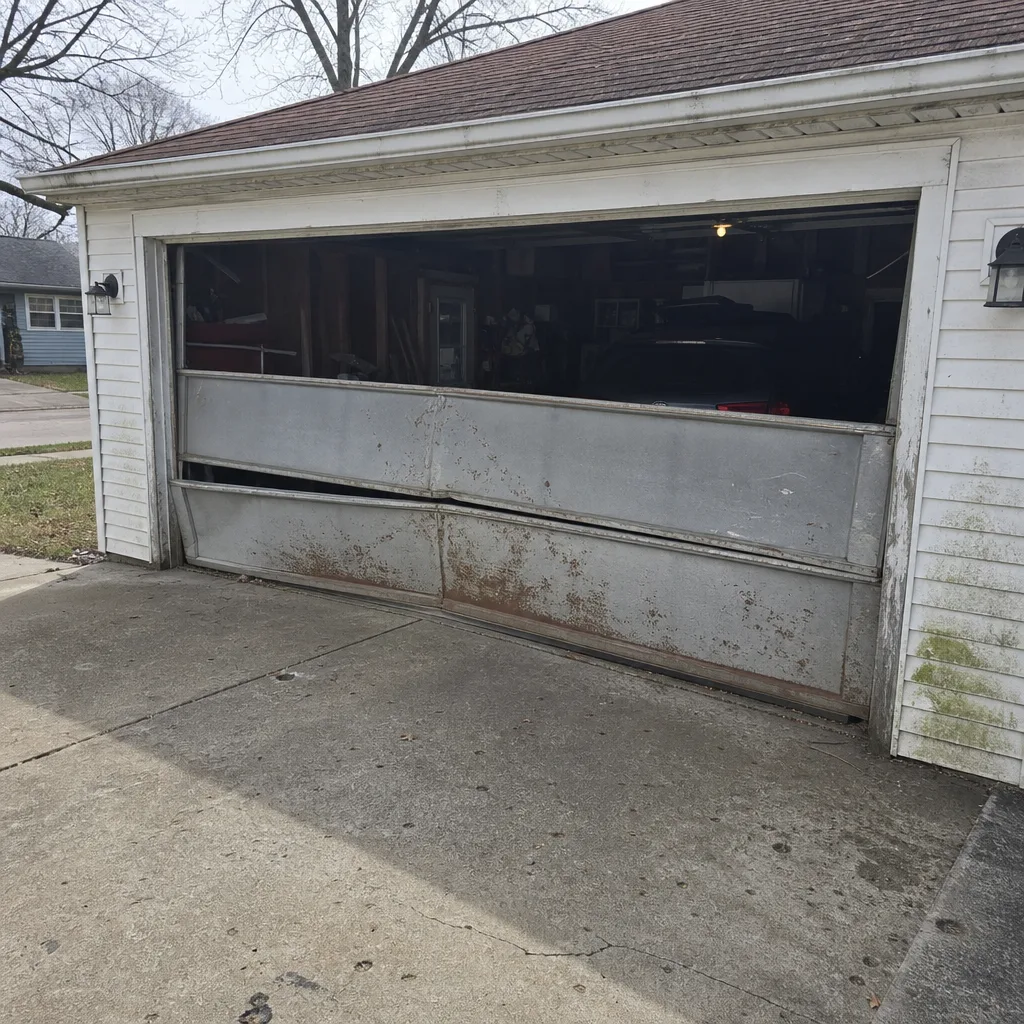 Before
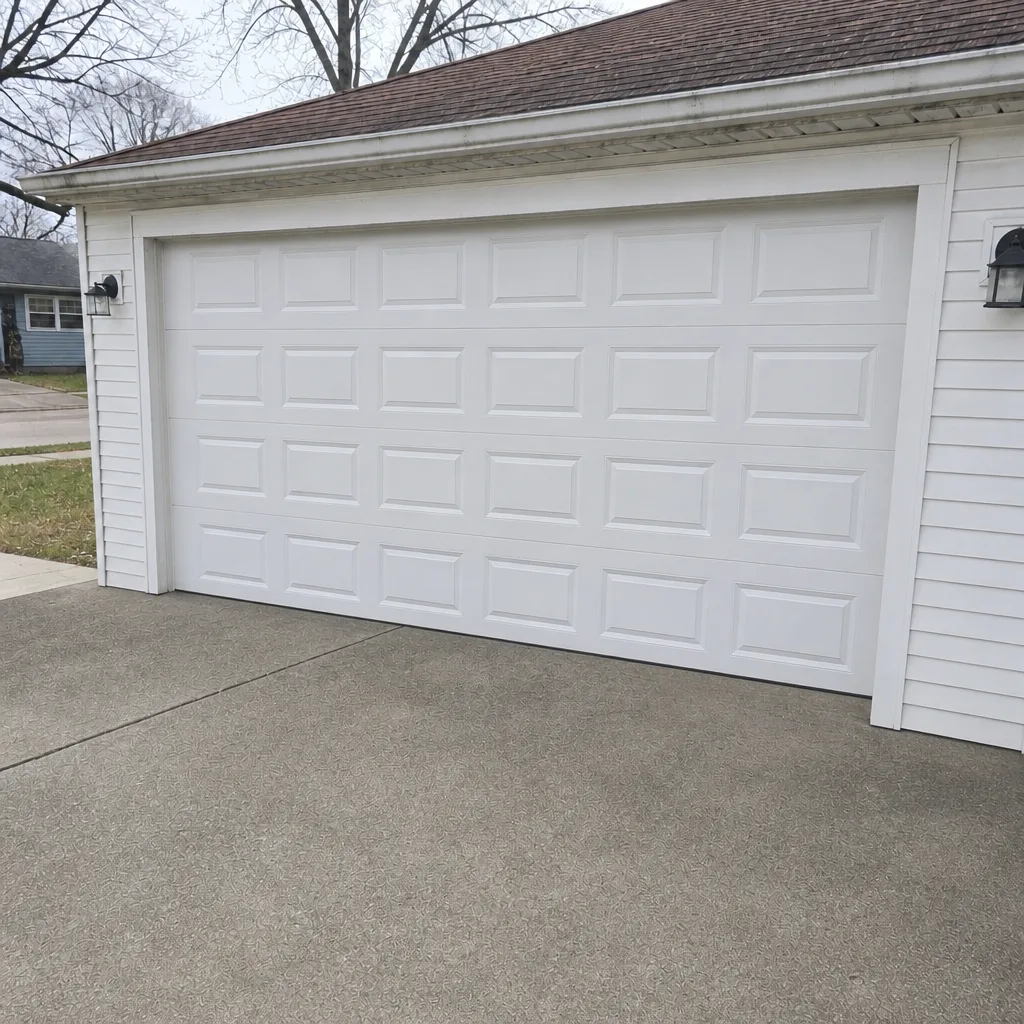 After
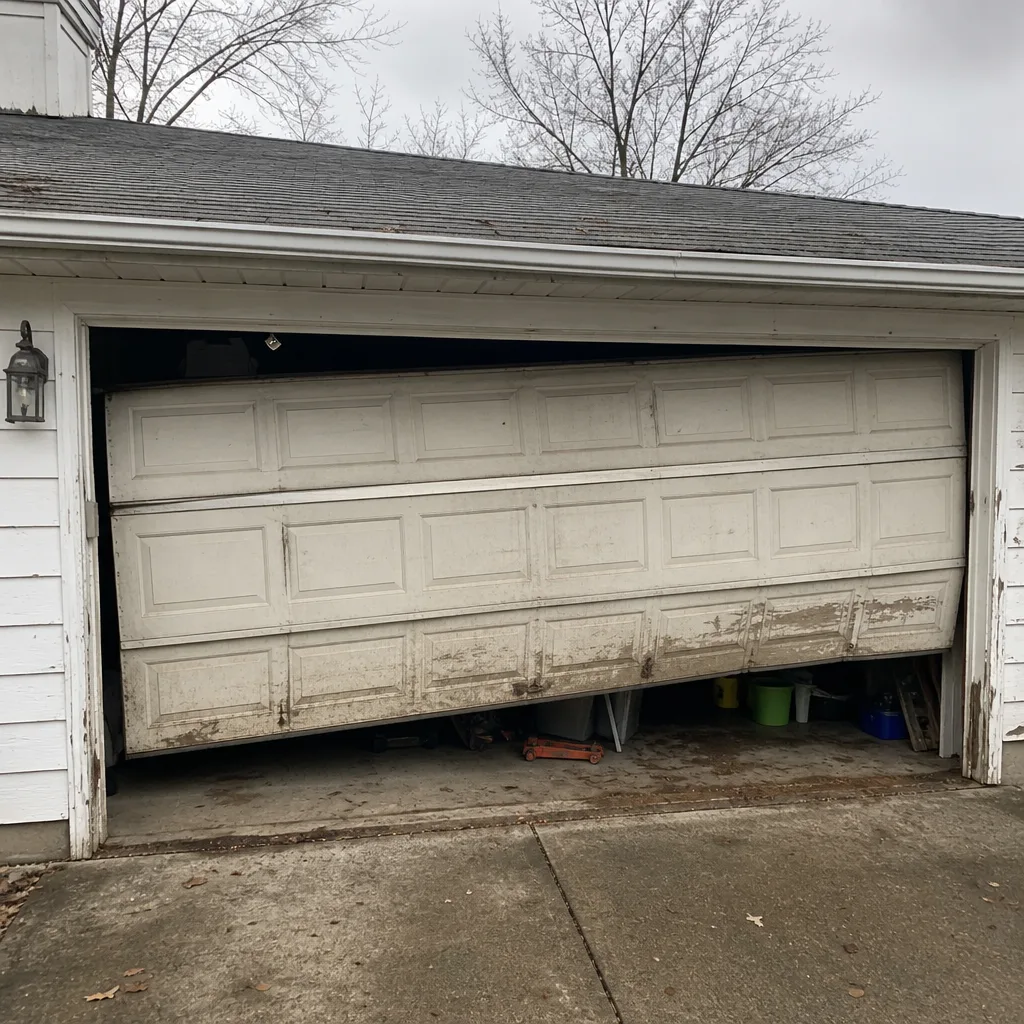 Before
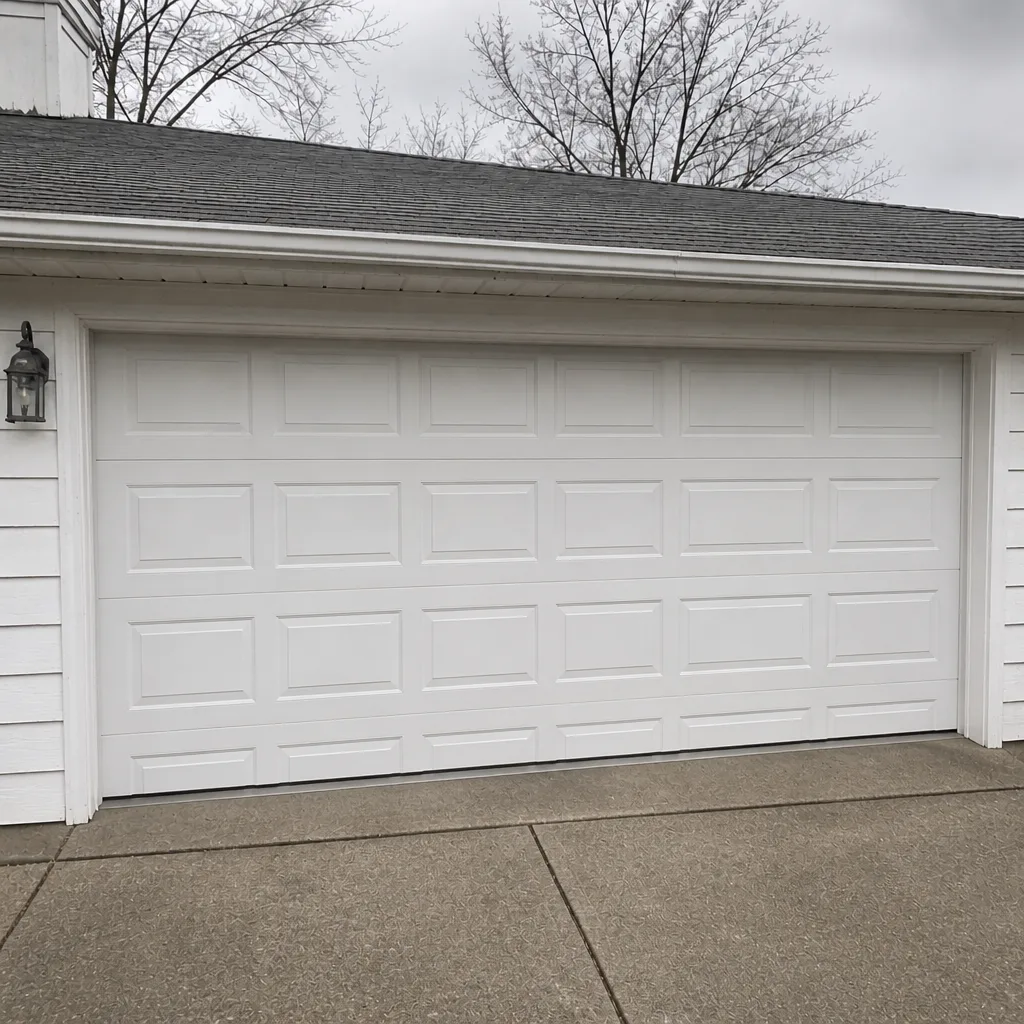 After
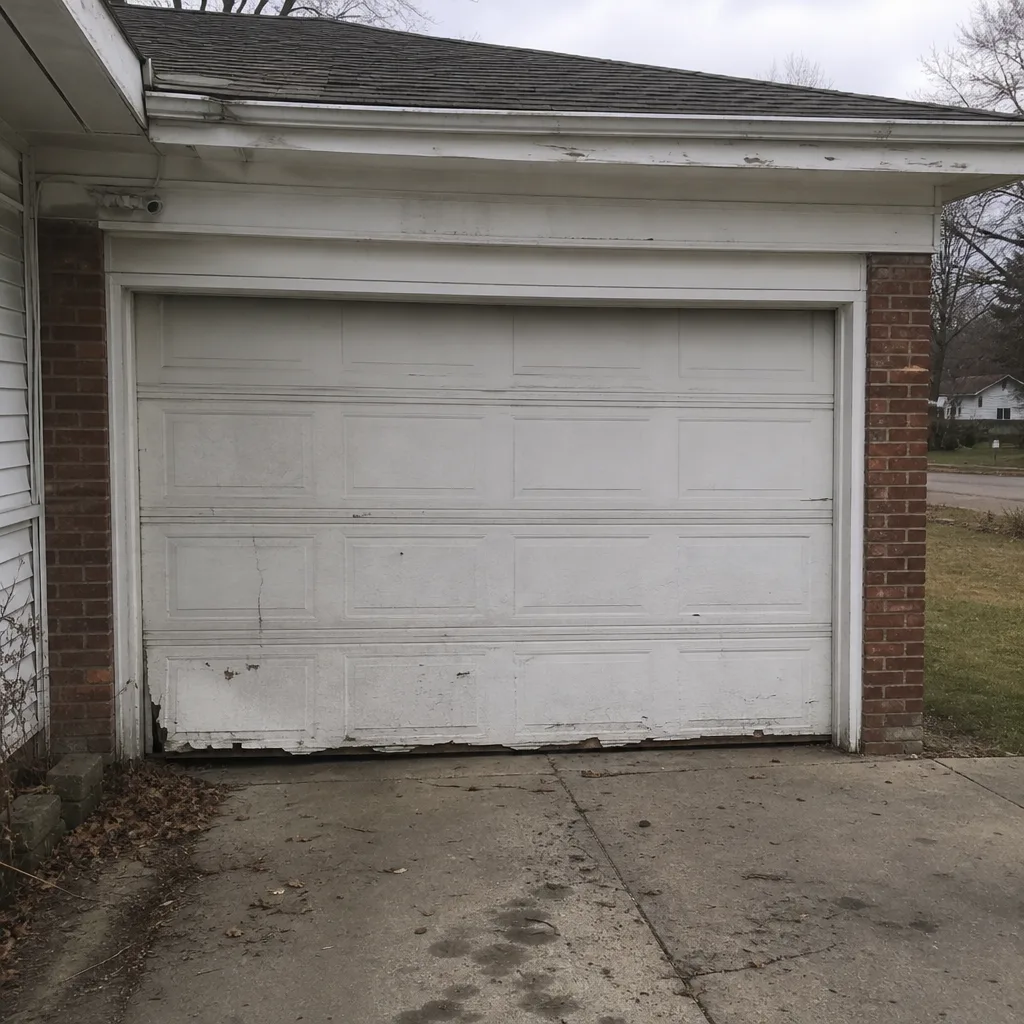 Before
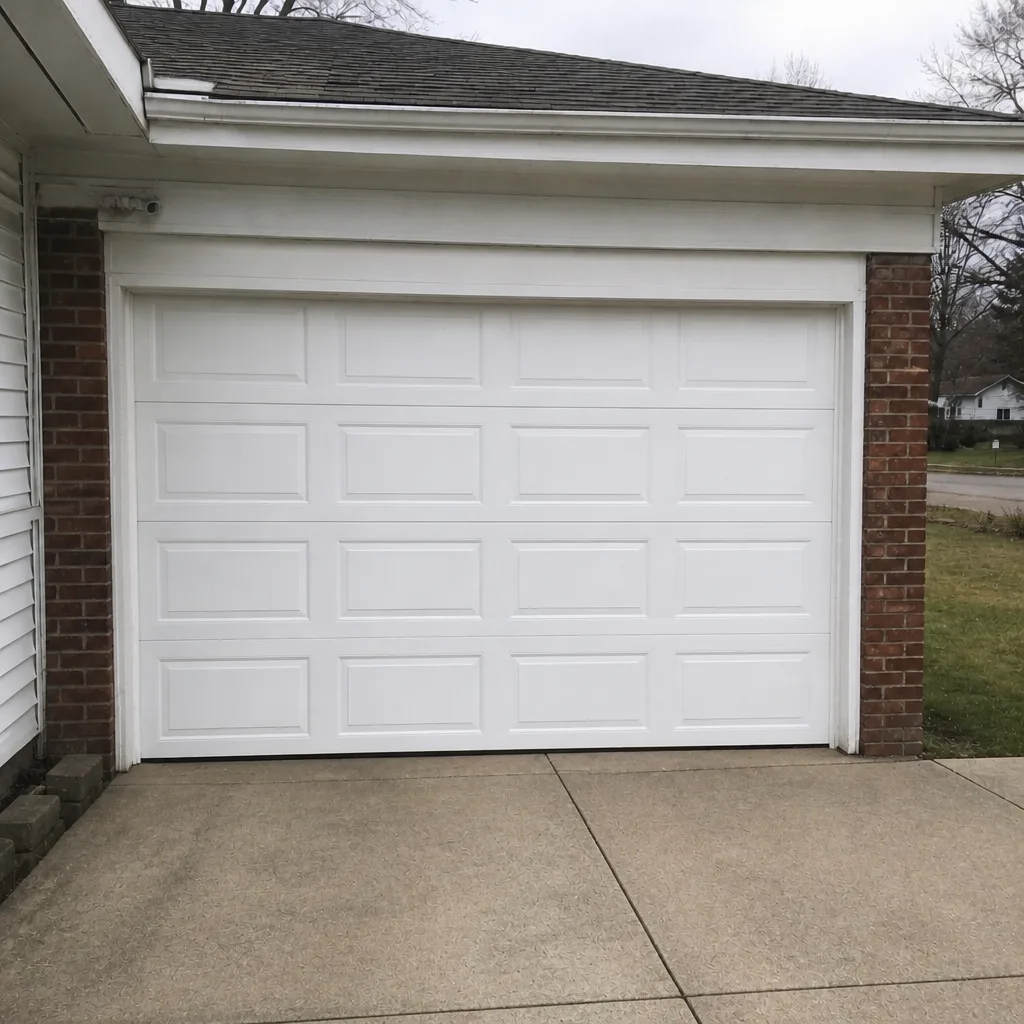 After
When to Call a Professional
Call when the job crosses the tension line: a broken or worn spring, a frayed or snapped cable, a door that’s come out of its track, or an opener that runs but won’t move the door. Call when the door won’t close or reopen reliably and you can’t trace it to sensor alignment in five minutes. Call when the door has visibly sagged, the panels are separating, or the whole door feels out of balance when you lift it by hand. These are the situations where the DIY math stops working and the safety margin is gone. Garage Door Repair Middletown Pros offers free estimates in Middletown: call (833) 508-9328. The estimate is written, the price is agreed before work starts, and the same-day and emergency options mean a door that’s stuck or off-track can be backed up and secured before the day is out.
Frequently Asked Questions
No. A torsion or extension spring stores enough energy to cause serious injury if it releases unexpectedly, and the tooling to wind and restrain it safely is specialist gear. This is the one garage door task we tell every homeowner to hand to a trained technician, no exceptions.
Lubrication, safety-sensor alignment, remote and keypad reprogramming, and weatherstripping or bottom-seal replacement are all genuinely DIY-safe. If your problem traces to those, you can save the service call. If it traces to springs, cables, tracks, or a door that won’t move, it’s a professional job.
A single-spring repair in the Middletown area typically runs a modest service charge plus the spring; a matched pair is usually replaced together and runs about twice the cost of one. The written estimate sets the final price, and it’s quoted and agreed before any work starts. Call (833) 508-9328 for an exact quote; estimates are free.
No. The price is quoted and agreed before any work starts, based on what we see when we assess the door. If the job turns out to need more than the estimate covered, you’ll hear about it before anything gets replaced, not on the invoice.
In many cases, yes. We offer same-day and emergency service for doors that are stuck, off-track, or unsafe to operate, and fast dispatch runs from 7am to 7pm. Call (833) 508-9328 and we’ll tell you what’s available and get the door backed up and secured.
Yes. We work on all the major brands, including LiftMaster, Chamberlain, Genie, Raynor, Clopay, Amarr, Wayne Dalton, and Craftsman, so there’s no reason to replace working equipment just to get service. If you’re not sure of the brand, the model is usually on the opener housing.
Tell us what the door was doing, what you tried (sensor alignment, remote reprogramming, lubrication, manual operation), and whether anything changed. That context helps a technician start in the right place instead of repeating a fix that’s already been done. If a spring or cable is involved, stop operating the door and call first.
The Bottom Line
The DIY versus professional question for garage doors comes down to one honest split. Lubrication, sensor alignment, remote reprogramming, and weatherstripping are yours to handle, and they save real money. Springs, cables, and track realignment store too much force for a home repair, no matter how careful the homeowner, and the callback cost on a failed DIY attempt wipes out any savings. The smart middle ground for most Middletown homeowners is partial DIY: handle the prep and the simple fixes, hand off the tension-loaded parts, and get a written estimate before anything starts. Garage doors are the one system in the house where the line between a project and a hazard is this clear.
If you’ve decided a job is beyond DIY scope, call Garage Door Repair Middletown Pros at (833) 508-9328 for a free estimate. Garage doors are all we do, and a free estimate tells you exactly what’s involved before anything gets touched.
Written by the team at Garage Door Repair Middletown Pros.