Last updated November 21, 2026
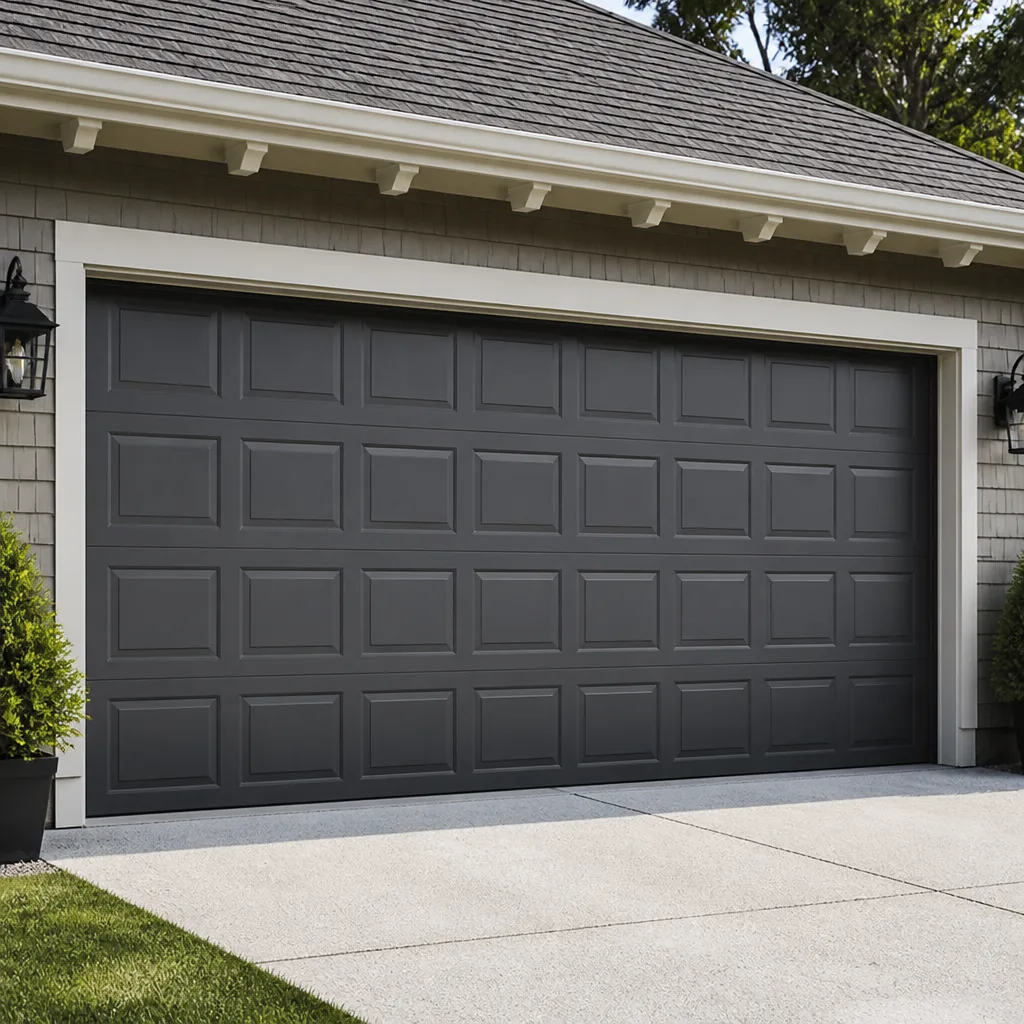 Raised-panel steel
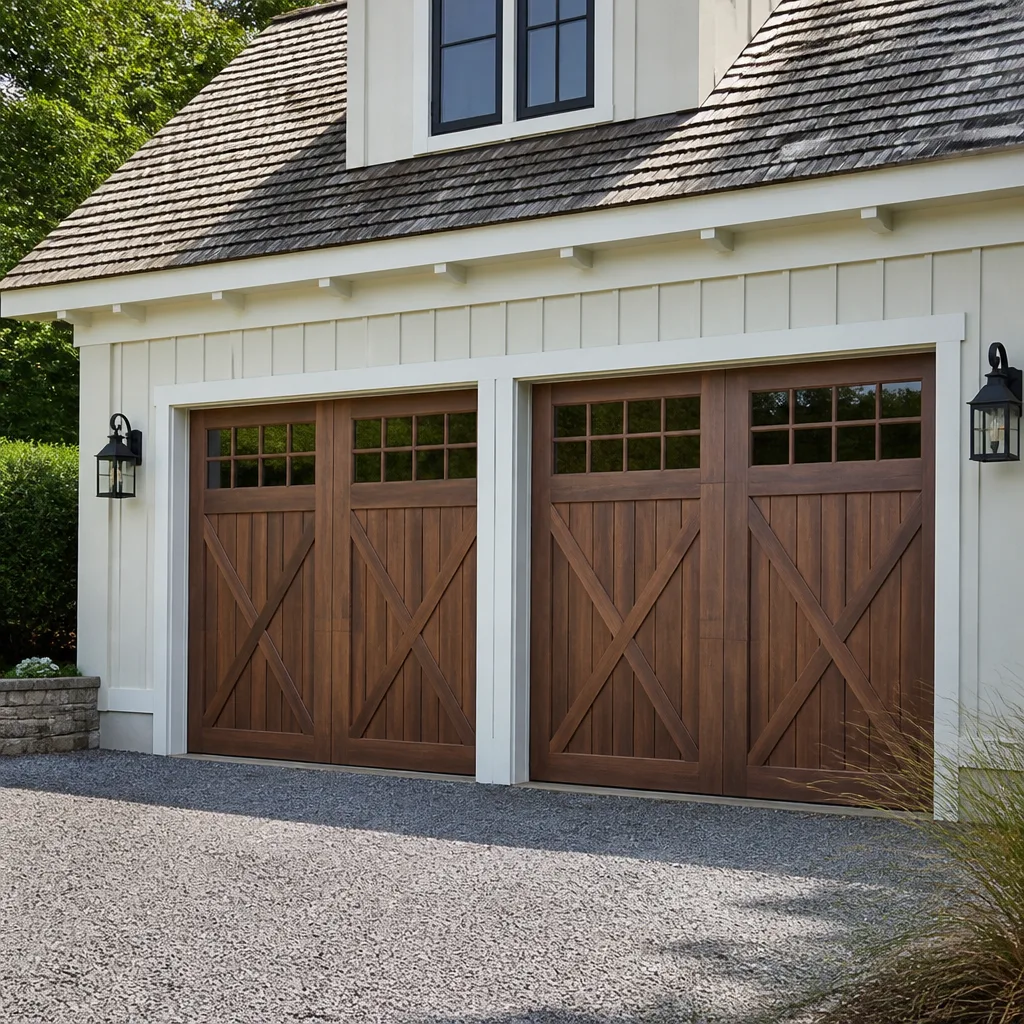 Carriage house
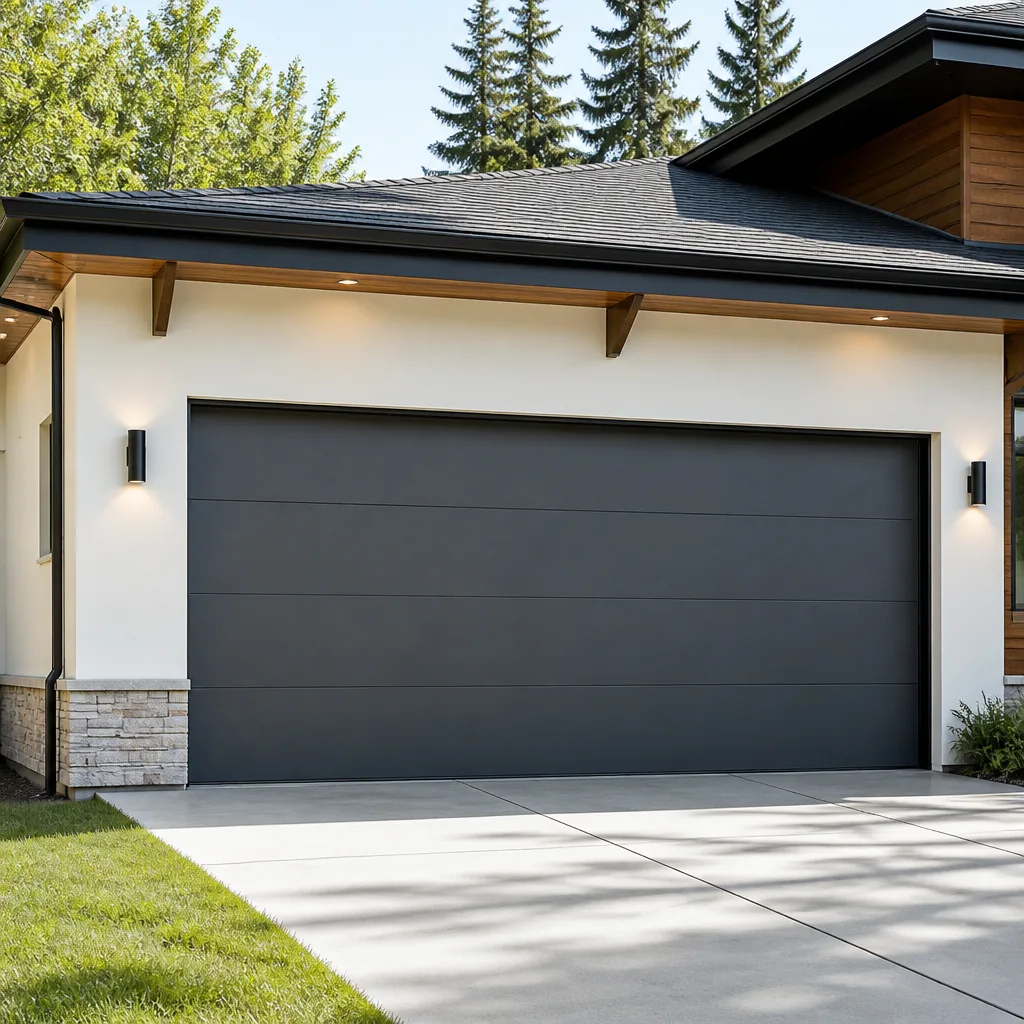 Modern flush
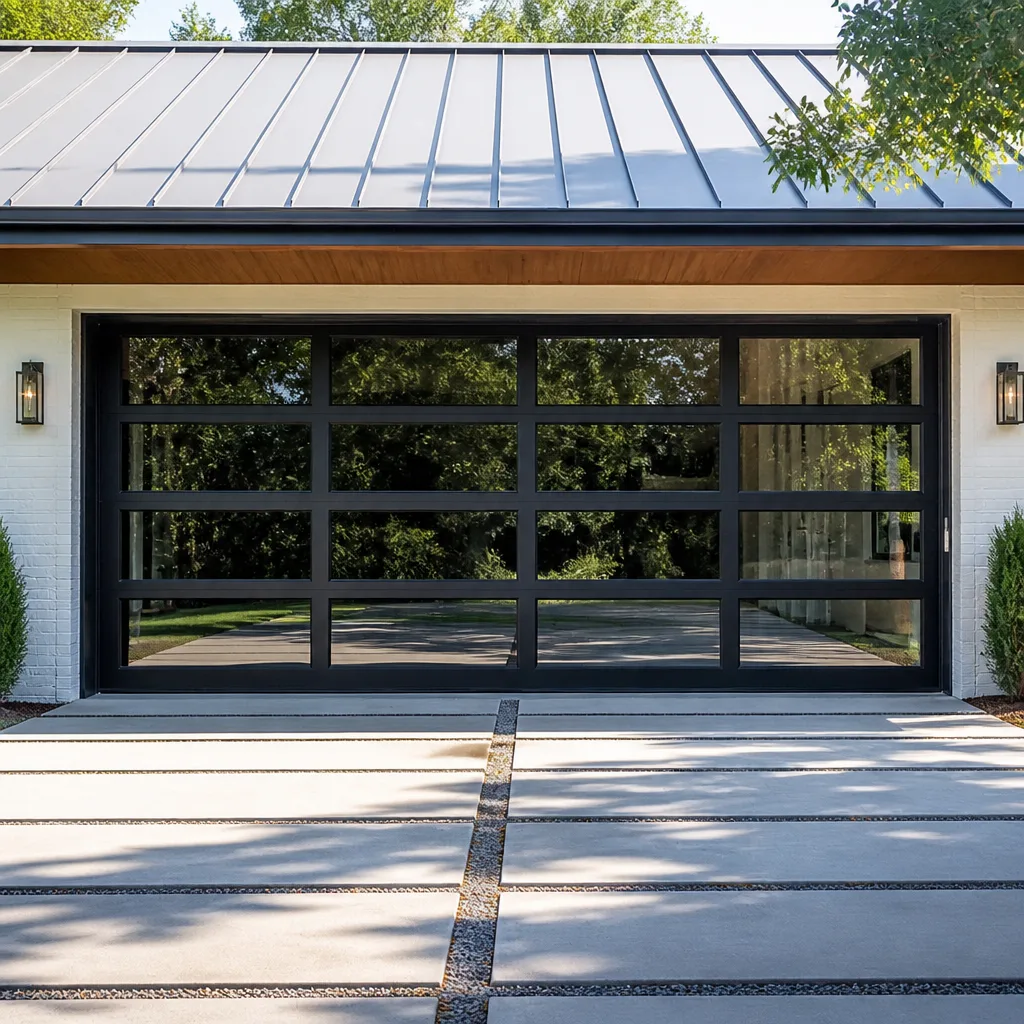 Full-view glass
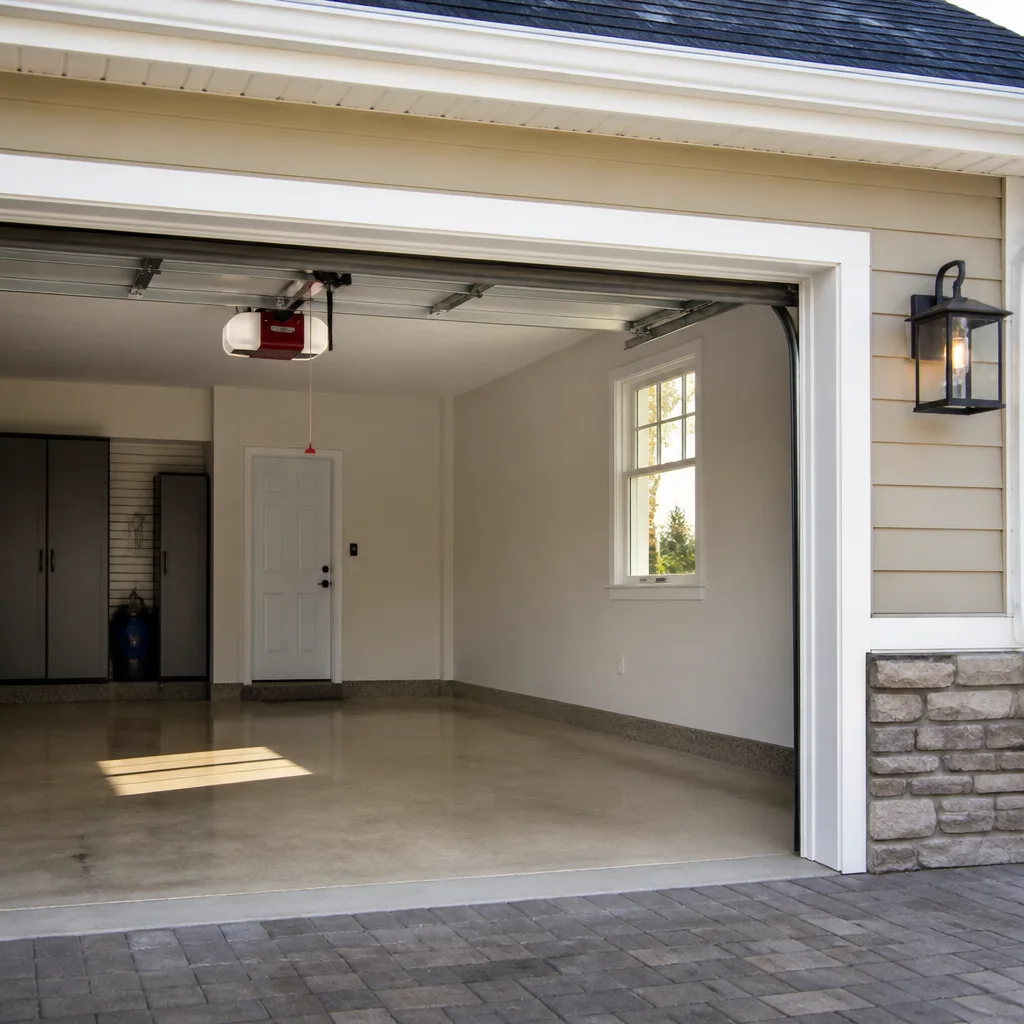 LiftMaster openers
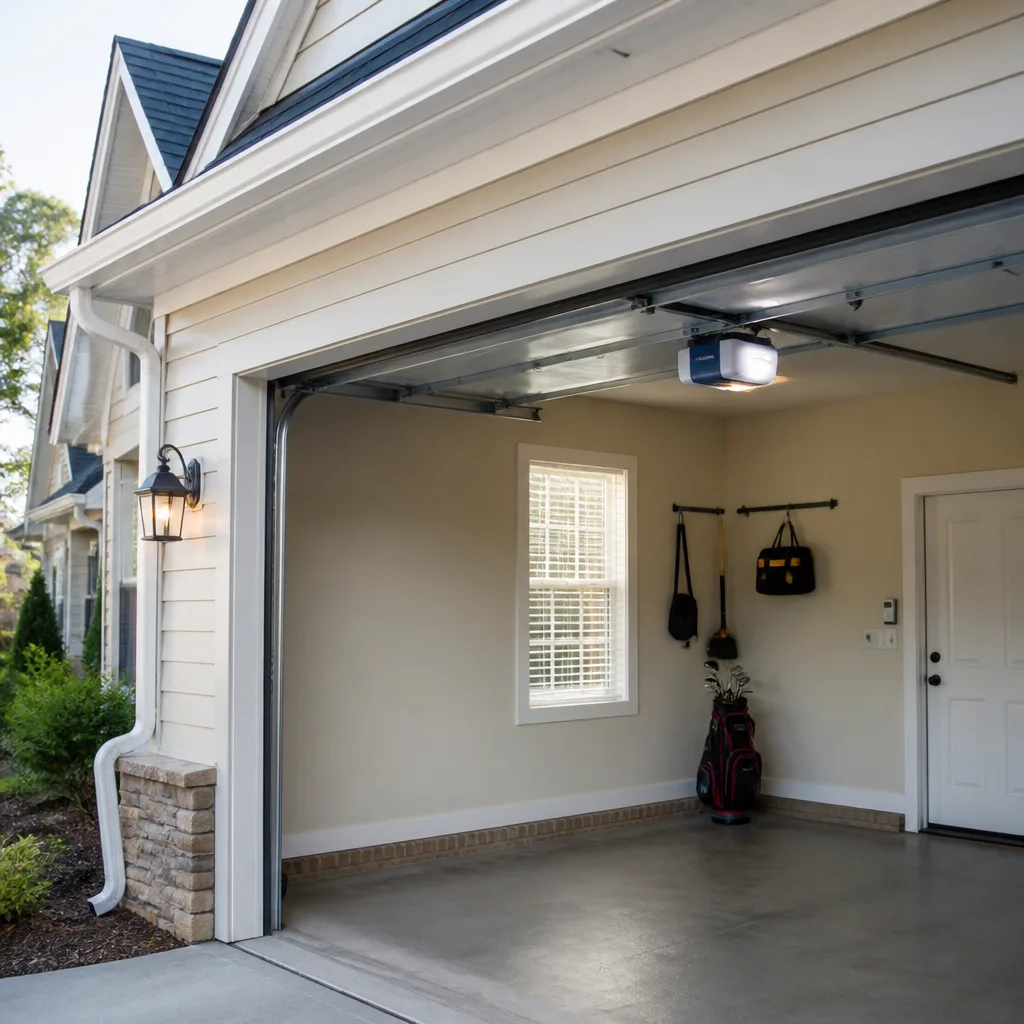 Chamberlain openers
Full 25-point door and opener safety check with every visit - springs, cables, rollers, tracks, and your LiftMaster or Chamberlain opener included
You get a price before we start. It does not change when the pro arrives.
Get your free estimateThe Complete Guide to Garage Doors in Middletown
Most Middletown homeowners replace a garage door by price or looks, then call a repair technician within two years because the door they picked wasn’t suited for a Butler County winter. That single mistake drives more avoidable service calls than any brand defect. A garage door here isn’t a catalog item you drop into an opening. It’s a system – steel gauge, insulation, bottom seal, springs, tracks, and opener – all reacting to the same freeze-thaw cycle that cracks driveways and heaved sidewalks across town. This guide walks through how that system actually works, what fits the common home types in Middletown, where builder-grade doors fall short, and how to make a replacement or repair decision you won’t regret. We’ll also cover the permit question people always ask.
Quick Answer
A garage door in Middletown should be chosen as a complete system, not a panel. For our climate, that usually means a heavier-gauge steel door, a properly rated insulated core, a flexible bottom seal that survives freeze-thaw, and springs and an opener matched to the door’s weight. Get the system right once and repairs drop off sharply. Pick on looks alone and you’ll be back on the phone.
Styles & brands we work with
- Raised-panel steel
- Carriage house
- Modern flush
- Full-view glass
- LiftMaster openers
- Chamberlain openers
Table of Contents
- How a Garage Door Works as a System
- How Middletown’s Freeze-Thaw Cycle Affects Your Door
- Which Door Styles Fit Middletown Home Types
- Builder-Grade vs. Specialist-Installed Doors
- How to Read Your Door: Opener, Springs, Tracks, Seals
- Permit Requirements for Repair vs. Replacement in Middletown
- Common Mistakes to Avoid
- When to Call a Professional
- Frequently Asked Questions
How a Garage Door Works as a System
A garage door is a balanced machine, not a slab that goes up and down. Every part carries load for another. The springs counterbalance the door’s weight so the opener only has to nudge it. The tracks guide it. The rollers reduce friction. The bottom seal keeps water and cold air out. When one part wears, the others take the strain. That’s why a worn bottom seal often leads to a rusted bottom panel, and why a tired spring makes an opener work harder until the motor fails.
Understanding this matters in Middletown because it changes how you diagnose a problem. A door that reverses for no reason isn’t always an opener issue – the tracks may be misaligned, or a roller may be catching. A door that slams down isn’t always a spring failure – the tension may simply be off. Treating the symptoms one at a time leads to repeat visits and wasted money.
Here’s the way the parts depend on each other:
- Springs carry most of the door’s weight. Weak springs overload the opener.
- Opener lifts a balanced door. An underpowered or worn opener strains against unbalanced doors.
- Tracks and rollers keep the door tracking straight. Bent tracks wear rollers fast.
- Bottom seal blocks water and drafts. A torn seal lets moisture in, which rusts panels from the bottom.
- Hinges and cables hold panels together under tension. Fraying cables are a serious safety issue.
When you call about a garage door problem in Middletown, a specialist reads all of these at once. That’s what a single-trade focus buys you. A general handyman may fix the surface symptom. A door specialist fixes the chain of causes behind it. If your door is currently misbehaving, a garage door repair visit is the fastest way to know whether you’re looking at one worn part or three.
How Middletown’s Freeze-Thaw Cycle Affects Your Door
Middletown sits in a part of Ohio that swings hard between freezing nights and mild days through winter and early spring. That cycle is the single biggest factor in door longevity here, and it’s the thing generic buying guides ignore. Water collects under the door, freezes overnight, expands, and then thaws. Repeat that a few dozen times a season and the stress lands on your bottom seal, your bottom panel, and the hardware closest to the ground.
What that means in practice:
- Bottom seal type matters more than most buyers realize. A flexible, weather-resistant seal that compresses cleanly sheds ice better than a rigid one that cracks when frozen.
- Steel gauge affects panel durability. Heavier-gauge steel resists denting and panel warp through temperature swings better than thin builder steel.
- Insulation R-value affects more than comfort. An insulated door slows heat loss from the house into the garage, which reduces condensation on cold panels and slows rust at the base.
- Hardware lubrication schedule shifts. Rollers, hinges, and springs need attention more often where freeze-thaw is a factor than in a mild climate.
If you’ve noticed your door sticking at the bottom, dragging, or leaking cold air across the threshold, it’s usually the seal and the track alignment working together. That’s a fix a Middletown door specialist sees weekly during the cold months. Don’t wait for the bottom panel to rust through – a seal replacement is far cheaper than a panel replacement. When the door has been neglected through a few winters, a full garage door spring repair assessment is worth doing alongside the seal check, because both work under the same temperature stress.
One more local reality: garages in Middletown often sit unheated, so the door is doing double duty as a weather barrier. If your garage doubles as storage or a workshop, insulated panels pay back in comfort and in less condensation all winter.
Which Door Styles Fit Middletown Home Types
The most common mistake in door selection is picking a style for its look on a showroom wall rather than how it reads on your actual house. Middletown has a wide mix of home types, and each one tends to look best with a different door profile. Choosing the wrong one makes an expensive door look cheap on the house, and it can also hurt resale.
Here’s how we’d match styles to the homes we see around Middletown:
- Ranch homes (a large share of the older housing stock) usually suit a low-profile raised-panel or flush steel door. Ranch homes run wide and low, so a door with heavy ornamentation fights the roofline. Clean, horizontal lines fit better.
- Split-levels sit between ranch and two-story, and a classic raised-panel door with a modest window row often reads best. The garage tends to be prominent, so the door carries visual weight.
- Colonials and newer two-story homes often look right with a carriage-style door with decorative hardware, or a paneled door with windows across the top row. The door’s height on a colonial gives you more room to work with a taller panel design.
- Newer subdivisions tend to repeat the same builder door across dozens of houses. Upgrading to a better-insulated, better-gauge door of the same style improves both comfort and street presence without clashing with neighbors.
Windows are worth a specific mention. A row of windows lets light into the garage, which matters for homeowners who use it as a workspace. But more glass means more potential for condensation and more cleaning. If your garage faces the street and light is a plus, go with windows. If it faces the sun all afternoon, fewer windows keep the interior cooler.
Match the style to the house, then match the material to the climate. That order keeps you out of the two-year regret cycle.
Builder-Grade vs. Specialist-Installed Doors
The door that came with your Middletown home was almost certainly chosen by a builder to hit a price point, not to last. That’s not a knock on builders – they build to a budget across an entire subdivision. But it does explain why builder-grade doors wear out faster here than the homeowner expects. The differences between a builder-installed door and one fitted by a dedicated garage door specialist show up in the details that matter for our weather.
What tends to differ:
- Steel gauge. Builder doors often use lighter steel that dents more easily and can warp through temperature swings.
- Insulation. Many builder doors ship uninsulated or with a thin core. That’s fine for a mild climate and rough for a Butler County winter.
- Hardware quality. Rollers, hinges, and springs on builder doors are usually the minimum spec. They wear out first.
- Seal fit. The bottom seal is often a generic piece that doesn’t sit flush on a slab that has shifted. Small gaps let in cold air and water.
- Installation precision. Track alignment, spring tension, and opener travel limits all need to be set to the specific door. A rushed install leaves room for premature wear.
None of this means every builder door is bad. It means the door you own may have been chosen for cost, and the best replacement or upgrade is one chosen for your house and this climate. A specialist who installs doors every working day sees which brands hold up. We work on the brand you already have, and that fluency covers the majors: LiftMaster, Chamberlain, Genie, Clopay, Amarr, Wayne Dalton, Craftsman, and Raynor. If you’re replacing, you don’t have to switch brands to get a better door – you can often move up within the same line and keep the same opener compatibility.
Builder-grade isn’t the enemy. Picking a builder-grade door for a climate it wasn’t spec’d for is.
How to Read Your Door: Opener, Springs, Tracks, Seals
You don’t need to be a technician to spot problems early. You need to know how to look at the door as a system. Here’s a simple sequence we’d suggest walking through each season. None of these steps require you to touch moving parts or adjust anything yourself – they’re visual and functional checks only.
- Watch the door travel. Open and close it and look for shimmying, jerking, or a door that drifts to one side. Misaligned tracks or worn rollers usually cause this.
- Listen. A steady hum from the opener is normal. Grinding, popping, or a loud bang followed by a door that won’t stay open points to a spring or opener issue that needs professional attention.
- Test the auto-reverse. Place a small object on the floor in the door’s path and close the door. It should reverse on contact. If it doesn’t, stop using the opener and call for service – this is a serious safety failure.
- Check the springs and cables by eye only. Look for visible gaps in springs, rust, or frayed cables. Do not touch, adjust, or attempt to remove springs or cables. They are under extreme tension and can cause severe injury. This is a trained-professional job, full stop.
- Inspect the bottom seal and weatherstripping. A torn seal, gaps at the corners, or daylight showing under the door means water and cold air are getting in.
- Check the opener’s force and travel settings at the unit’s control panel only (read the manual, don’t adjust internal hardware). If the door binds, don’t force it.
Springs are the part we see fail most often, and they’re the part we never advise a homeowner to touch. A spring that’s let go isn’t a nuisance – it’s a heavy door held up by nothing but the opener, which is a genuine safety risk. If you suspect a spring problem, that’s the time to call. Our garage door spring repair team handles both the diagnosis and the safe replacement.
If the opener is the part misbehaving – door goes up but won’t come down, remote stops working, motor hums but doesn’t lift – the focus shifts. Openers have their own wear parts, from the logic board to the drive gear, and remotes and smart-home pairing are their own troubleshooting category. That’s a dedicated garage door opener repair call, not a door-panel fix. Raynor and LiftMaster openers, in particular, have model-specific settings that a specialist knows without flipping through a manual.
Permit Requirements for Repair vs. Replacement in Middletown
Here’s a question that trips up more Middletown homeowners than almost any other: does replacing a garage door require a permit? The honest answer is that it depends on the scope and on the city’s current rule, and you should confirm with the city’s building department before work starts. In general, straightforward repairs – a spring, an opener, a seal, a roller – typically don’t require a permit because you’re not altering the structure. A full replacement can fall into a different category because it changes a structural opening in the home’s envelope.
What we’d tell any Middletown homeowner:
- Ask the city’s building department directly. A quick call settles the question for your address and your job. Rules can vary by scope and by whether the opening itself changes.
- Ask whether the replacement has to meet current wind or structural standards. A permit isn’t just paperwork – it often means the new door has to meet a code standard the original didn’t.
- Have the question answered before you buy the door, not after. If a permit is required and you’ve already ordered the door, you’ve shortened your timeline.
- Treat repair as a repair. If the door can be fixed safely, a repair avoids the permit question entirely and costs less.
We won’t give you a rule that may not apply to your address. We’ll tell you to get the answer from the city and we’ll factor it into the plan. If you’re unsure whether your issue is a repair or a replacement, a free estimate in Middletown settles it fast – you’ll know the scope and the price before you commit to anything.
Common Mistakes to Avoid
- Choosing a door by looks alone. A door that suits a showroom but not a Butler County winter ends up on the repair list within a couple of years. Match the material and insulation to the climate first, then the style to the house.
- Ignoring the bottom seal. In Middletown’s freeze-thaw cycle, a torn seal lets water pool and rust the bottom panel. Replacing a seal is a small cost; replacing the panel is not.
- Assuming one symptom means one failed part. A door that reverses may have an opener problem, a track problem, or both. Diagnosing the system prevents repeat visits.
- Hiring a general handyman for a spring or cable job. Springs and cables are under extreme tension and cause serious injury when handled without the right tools and training. This is not a general-repair task.
- Buying a heavier door than the opener supports. If you upgrade to an insulated or heavier-gauge door, the opener and springs have to match the new weight. Skipping that step shortens the opener’s life and wears the springs faster.
- Skipping the permit question on a replacement. Some replacements need a permit and some don’t; a quick call to the city’s building department before ordering the door saves time and surprises.
- Putting off a door that’s off track or won’t close fully. A door that won’t close leaves the garage open to weather and to security risk. That’s the right time to call for emergency service, not to wait for next week’s appointment slot.
See the difference
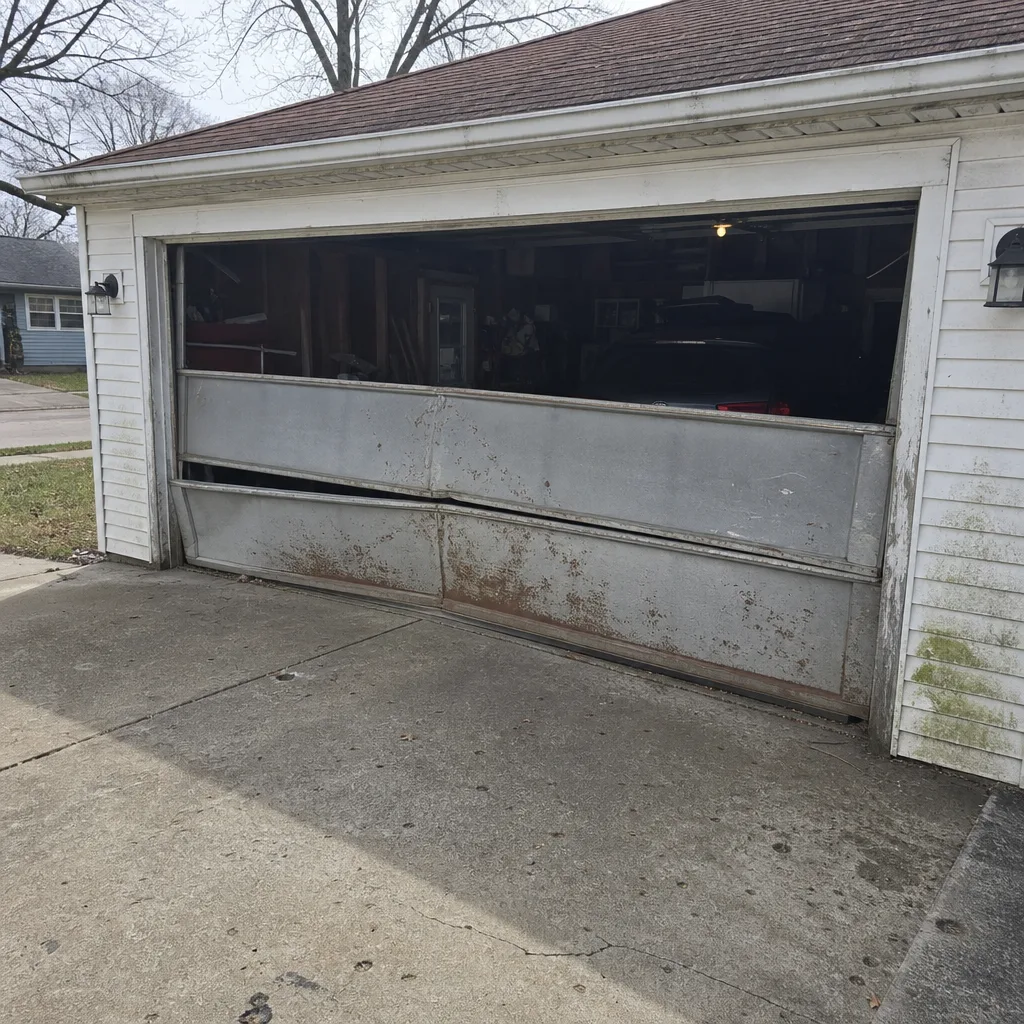 Before
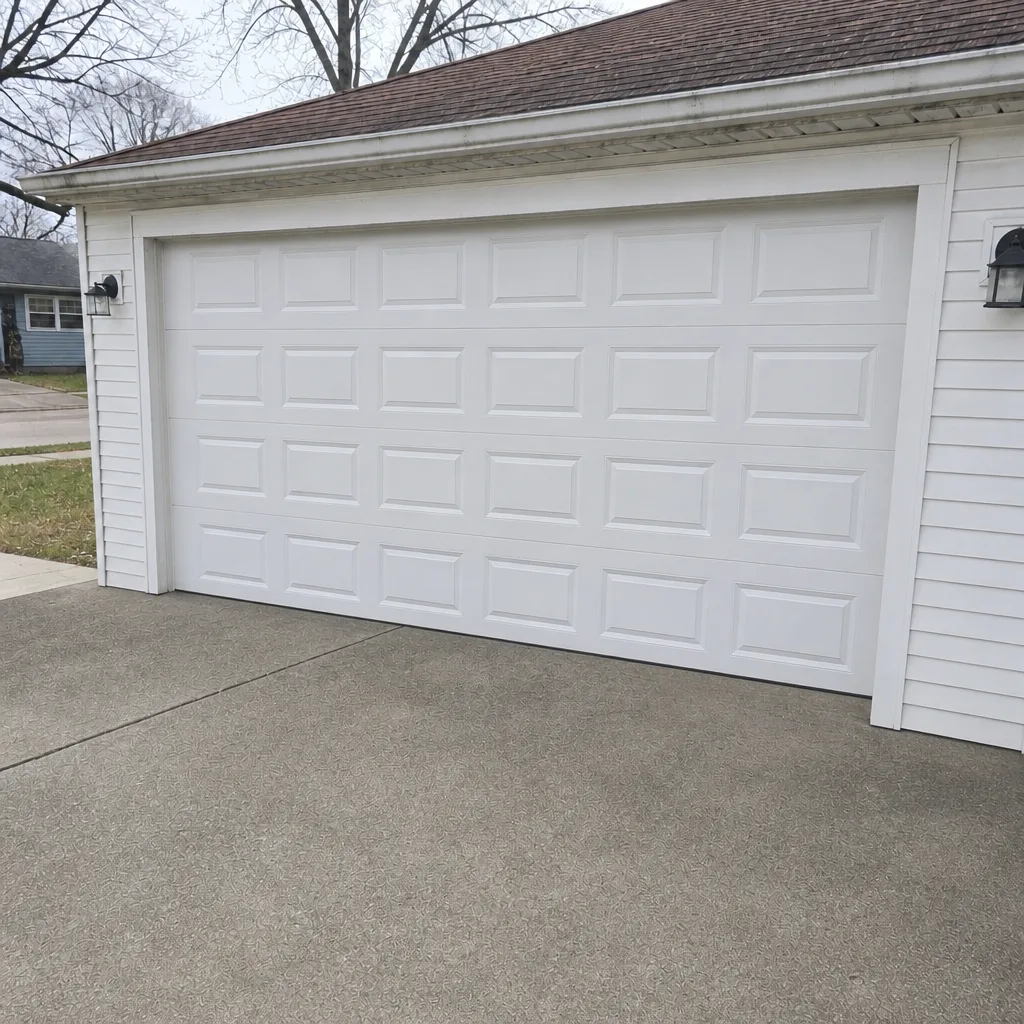 After
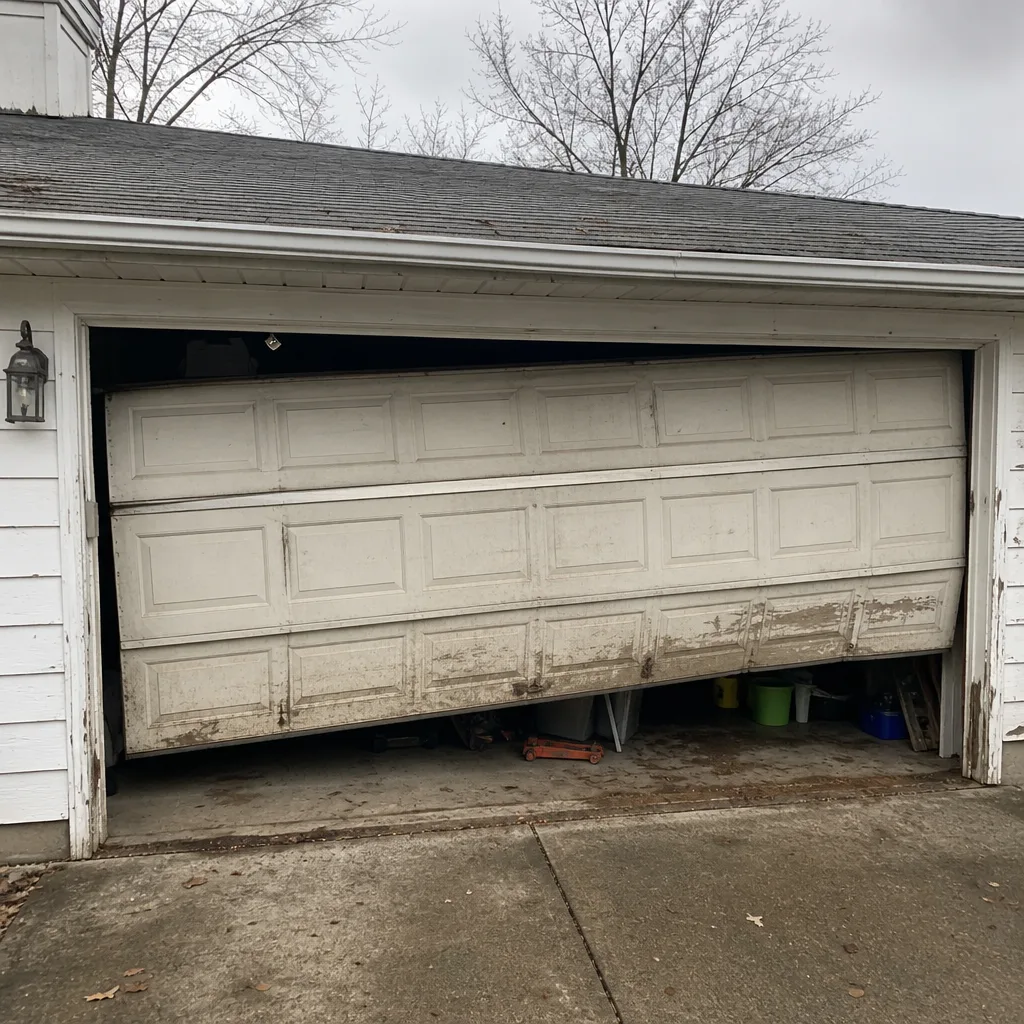 Before
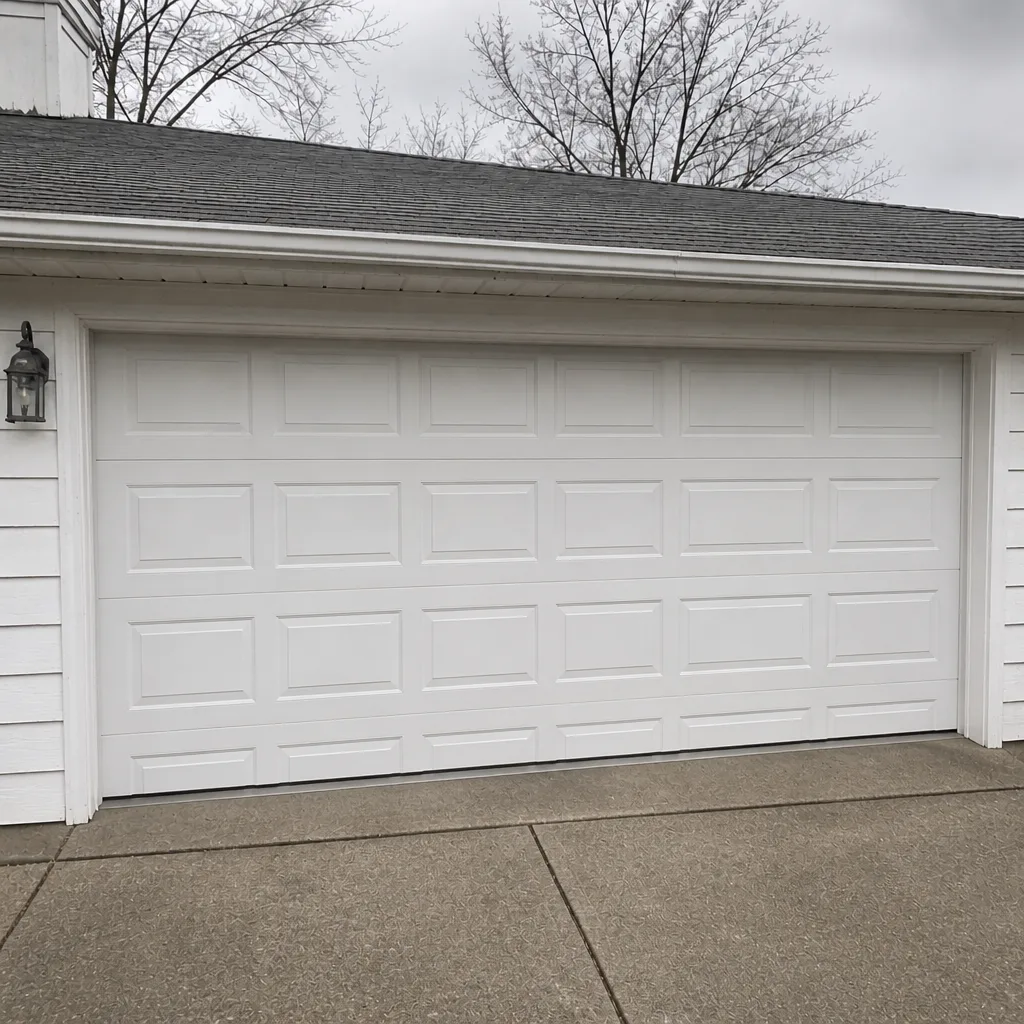 After
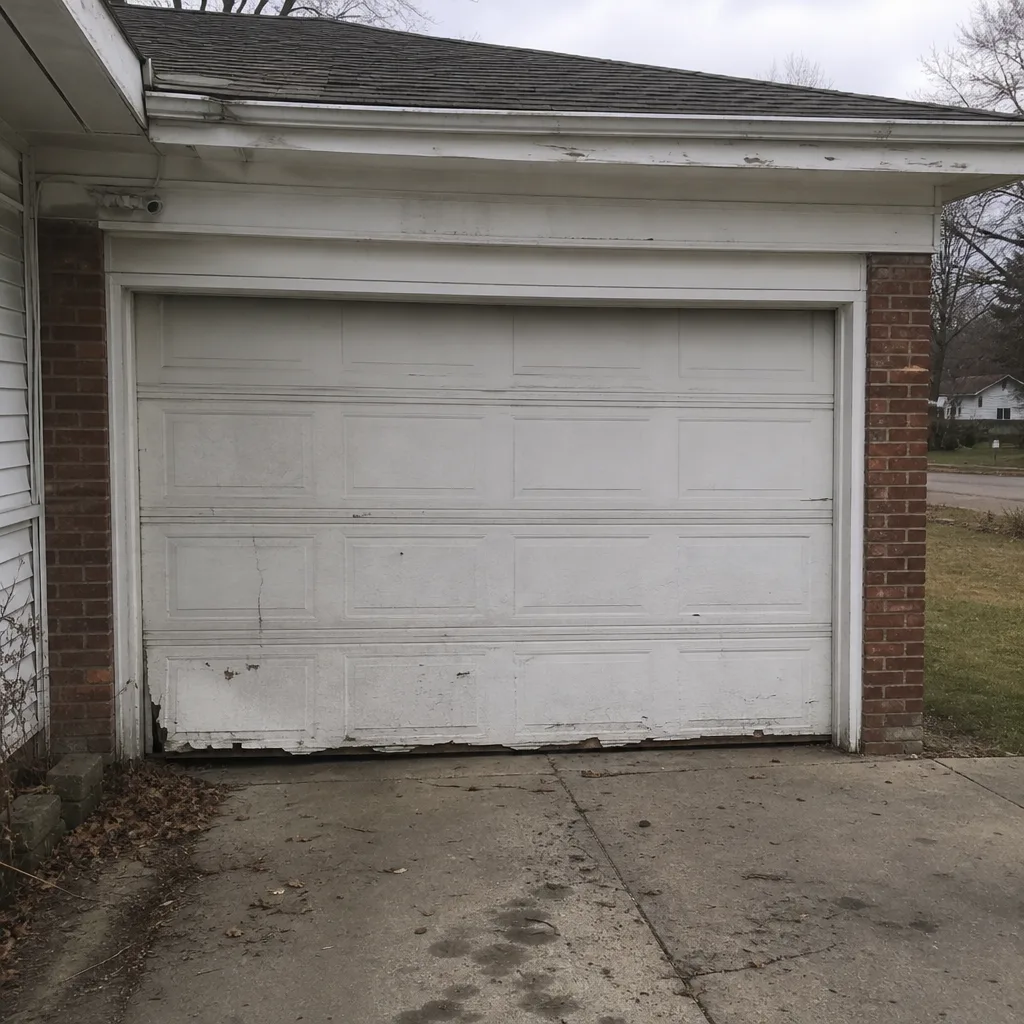 Before
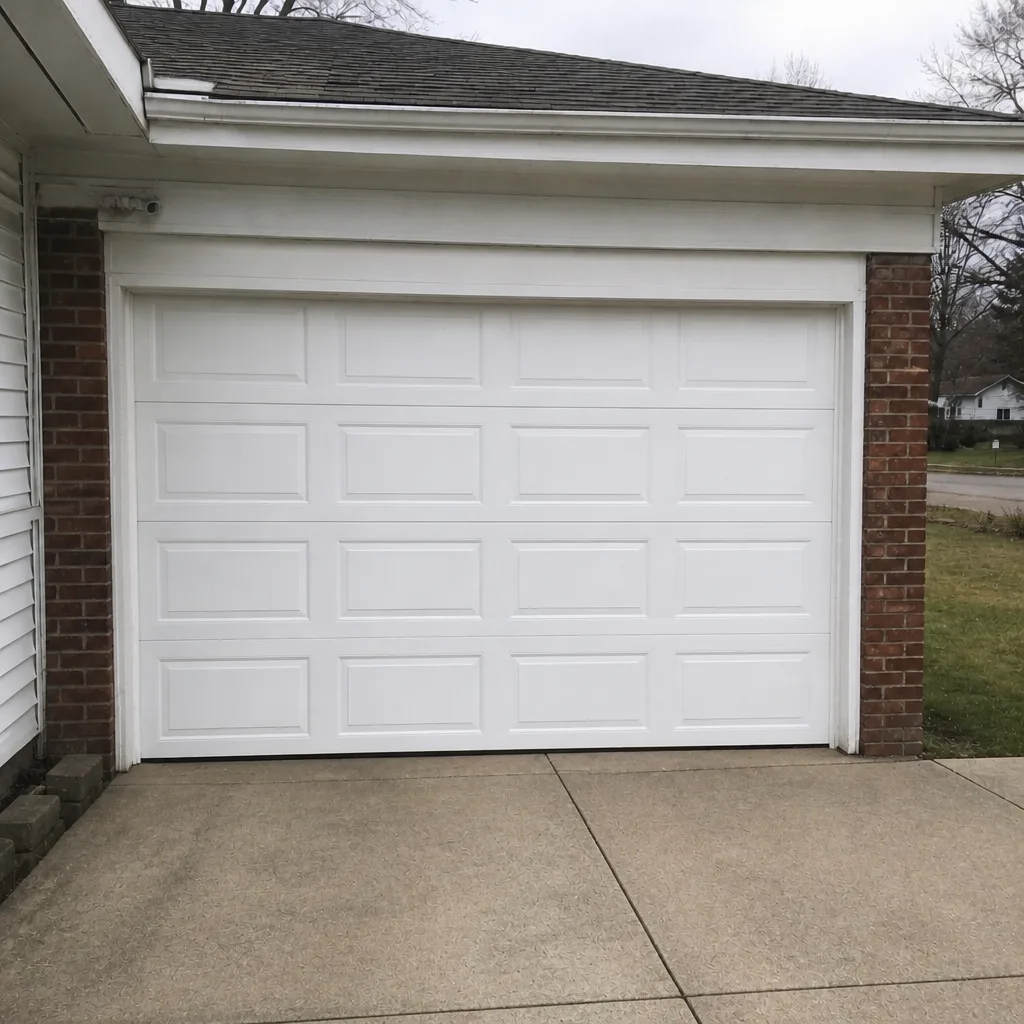 After
When to Call a Professional
Some issues are safe to look at and some aren’t. Call a professional immediately if the door is off its track, if a spring has visibly broken or a cable is frayed, if the door won’t close fully, if the auto-reverse safety feature fails, or if the opener hums without moving the door. Those situations are genuine safety or security risks, and a broken door shouldn’t wait for a standard appointment. Our emergency garage door service exists for exactly those moments – call and we’ll get someone out to back up and secure the door before the day is out. For the routine side – a worn seal, a noisy opener, a remote that quit pairing, an off-color panel – a scheduled visit is the right call. Either way, we quote and agree the price before any work starts. Garage Door Repair Middletown Pros offers free estimates in Middletown – call (833) 508-9328.
Frequently Asked Questions
Garage door repair in Middletown is quoted per job, and the written estimate sets the final price – there’s no fixed rate card. A seal or roller replacement is a lower-cost job; a broken spring or opener repair costs more because it involves heavier components and more labor. A spring replacement is often done as a matched pair because the second spring is usually at the same wear point as the first, and a pair costs about twice a single spring. The price you’re quoted is the price you pay once the work is agreed. Call (833) 508-9328 for an exact quote – estimates are free.
A full garage door replacement may require a permit in Middletown, but the rule depends on scope and should be confirmed with the city’s building department before work starts. Straightforward repairs – springs, openers, seals, rollers – typically don’t require a permit. A replacement that alters the structural opening can fall into a different category, and a permit sometimes means the new door must meet current standards the original didn’t. Ask the city directly before ordering the door. Call (833) 508-9328 and we’ll factor the answer into your plan.
Yes – our emergency garage door service is for urgent situations like a broken spring, an off-track door, or a door that won’t close and leaves the garage open. We prioritize these calls over routine appointments. If you’re locked out or your garage is unsecured, call (833) 508-9328 and we’ll get someone out to back up and secure the door before the day is out. For a routine repair, a scheduled visit is fine, but urgent situations get urgent response.
No – the price is quoted and agreed before any work starts, and that written quote is the final price. A trained technician diagnoses the full system on arrival, so the quote covers the actual cause, not just the symptom you described. If the diagnosis reveals something outside the original scope, we’ll discuss it with you before doing anything. You won’t get a surprise invoice. Call (833) 508-9328 for a free estimate up front.
The local professionals we connect you to are licensed and insured as their state requires, and they specialize in garage doors rather than general repairs. That matters most on spring and cable work, where a mistake can cause serious injury. Our technicians have up to 9 years of experience, and all work is backed by a satisfaction guarantee. Call (833) 508-9328 to book a free estimate.
Choose based on the door’s construction and how well it suits your house and this climate, not the nameplate alone. We work on the brand you already have, and we’re fluent across the majors – LiftMaster, Chamberlain, Genie, Clopay, Amarr, Wayne Dalton, Craftsman, and Raynor – so you’re not forced to switch brands to get a better door. For a Middletown winter, prioritize heavier-gauge steel, a properly rated insulated core, and a flexible bottom seal. Call (833) 508-9328 and we’ll match a door to your house.
The Bottom Line
A garage door in Middletown is a system, and it should be chosen and maintained as one. Steel gauge, insulation, bottom seal, springs, tracks, and opener all have to work together through the same freeze-thaw cycle that shapes every winter here. Match materials to the climate first, then style to the house type – ranch, split-level, colonial, or newer subdivision. Ask the city about permits before you order a replacement. Treat springs and cables as the trained-professional jobs they are. Do those things and you’ll skip the two-year regret cycle. Get one call that covers spring, opener, panel, or full replacement, and a written quote before any work starts.
Written by the team at Garage Door Repair Middletown Pros.
Get a Free Estimate
Ready to fix what’s broken or pick a door that lasts a Butler County winter? Call (833) 508-9328 for a free estimate. Garage doors are all we do, we’ll quote the price before any work starts, and we can cover the brand you already have. Back up and secure before the day is out – one call covers it.