Last updated November 21, 2026
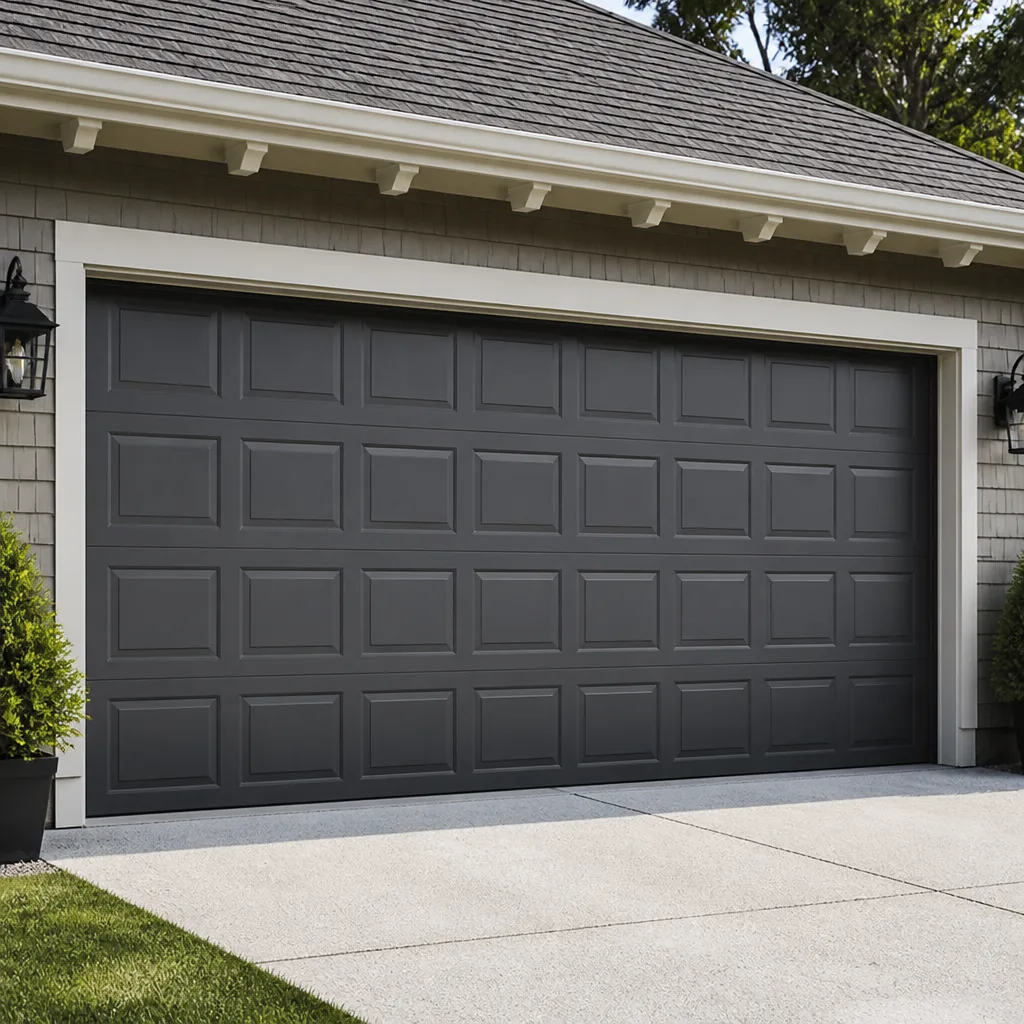 Raised-panel steel
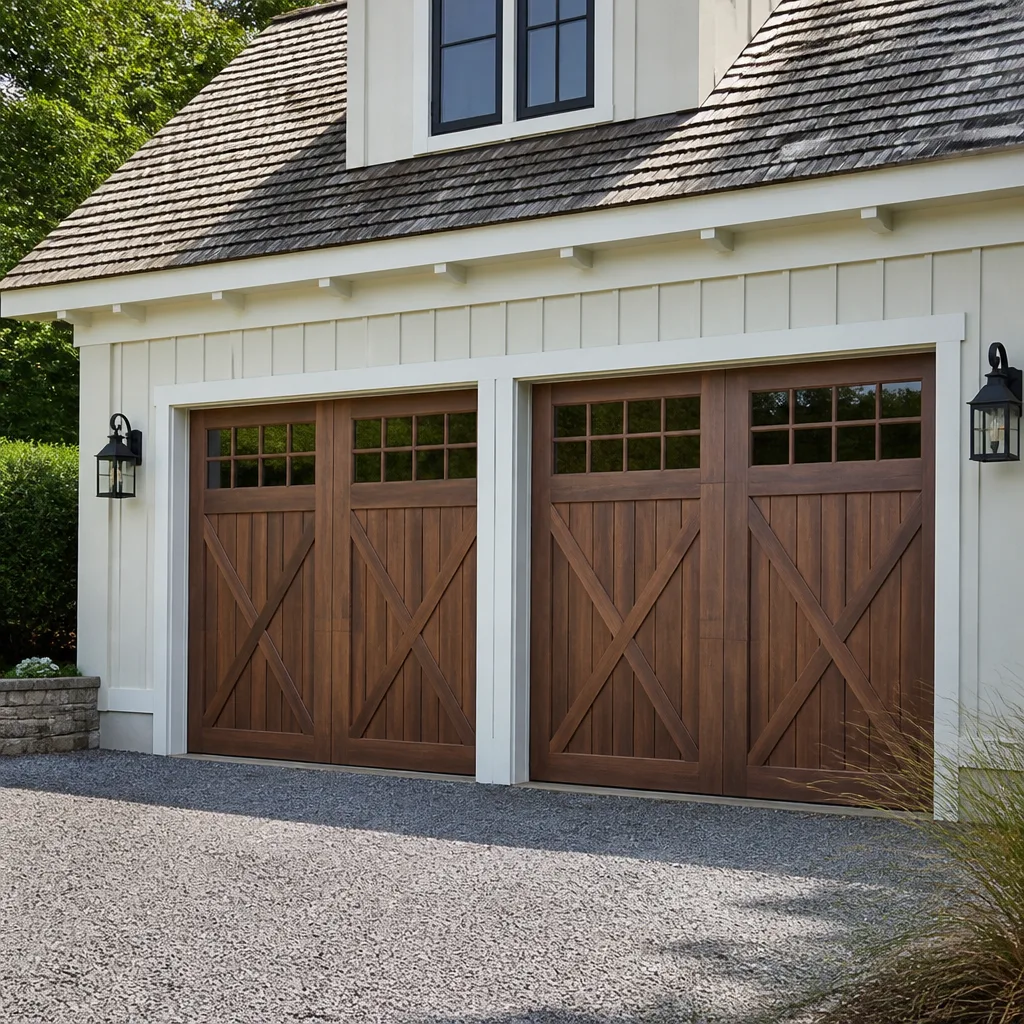 Carriage house
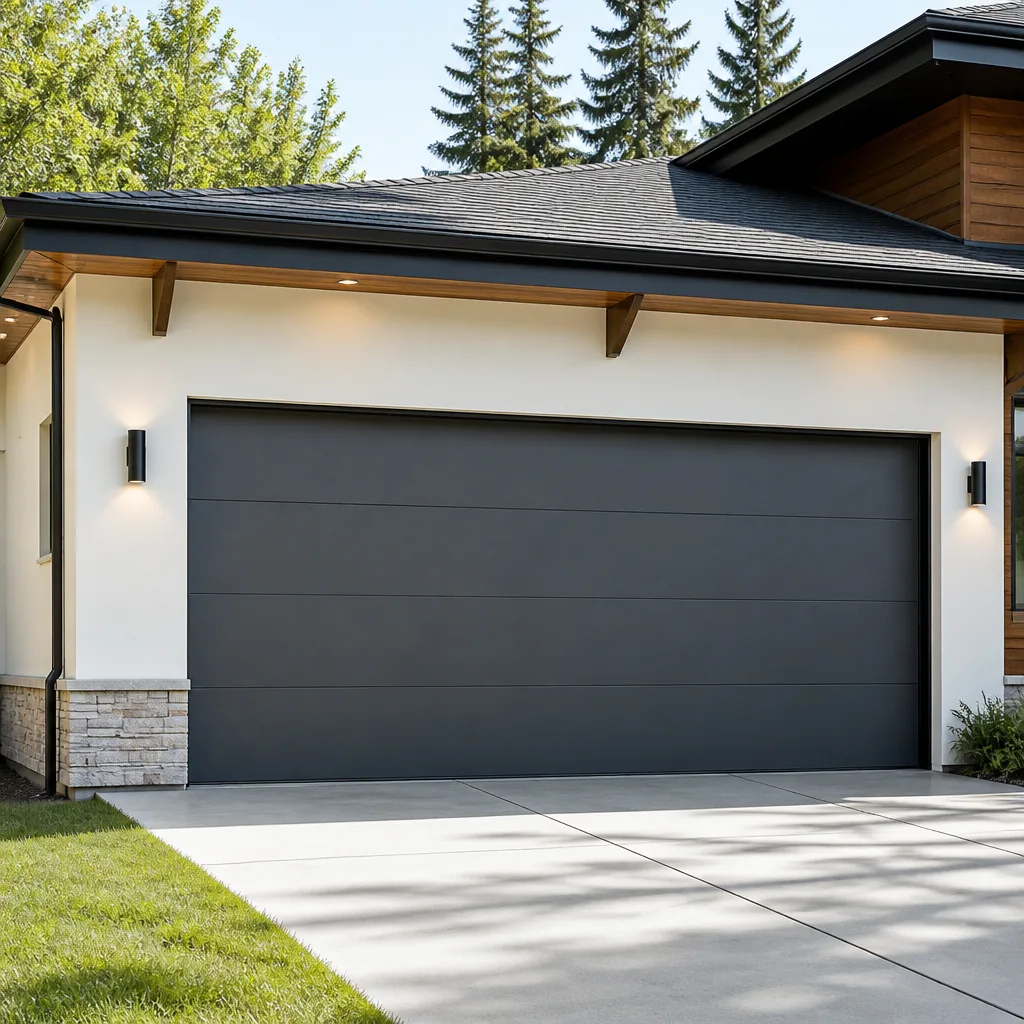 Modern flush
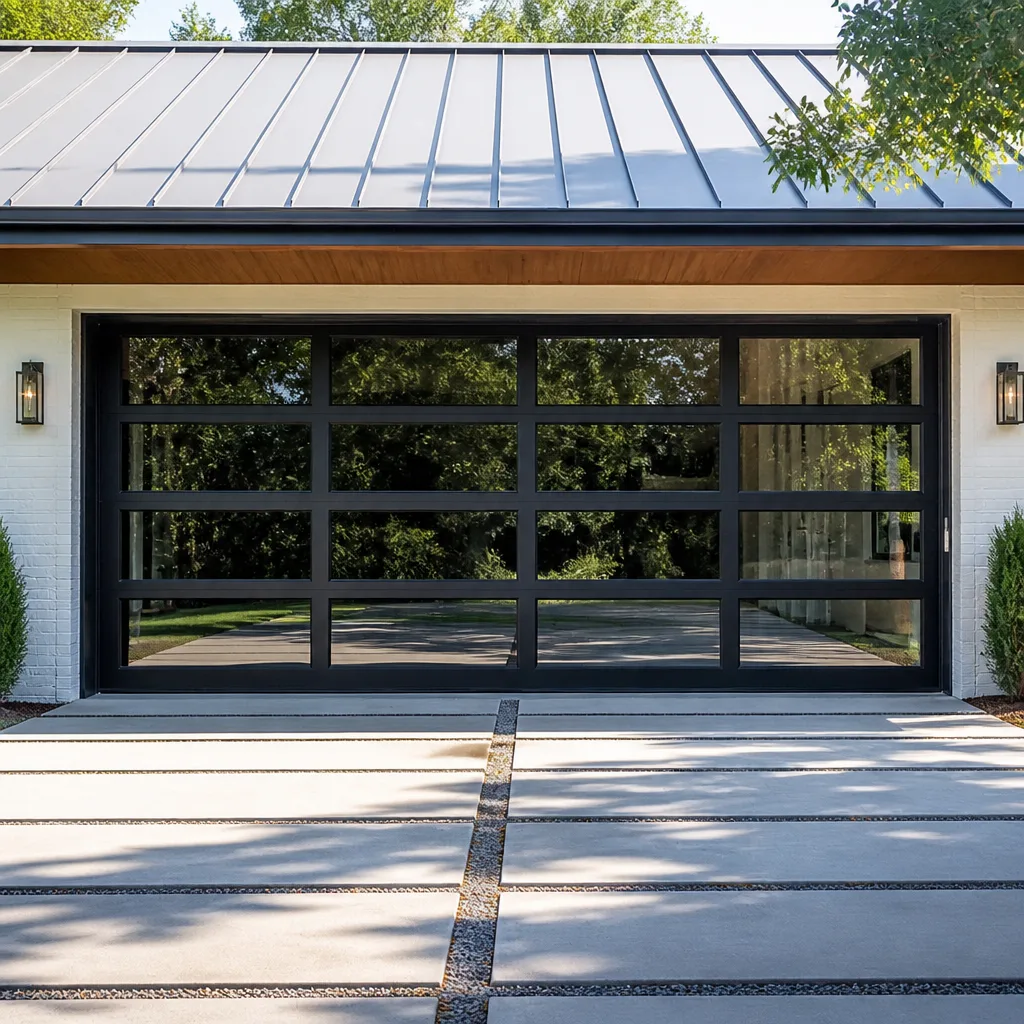 Full-view glass
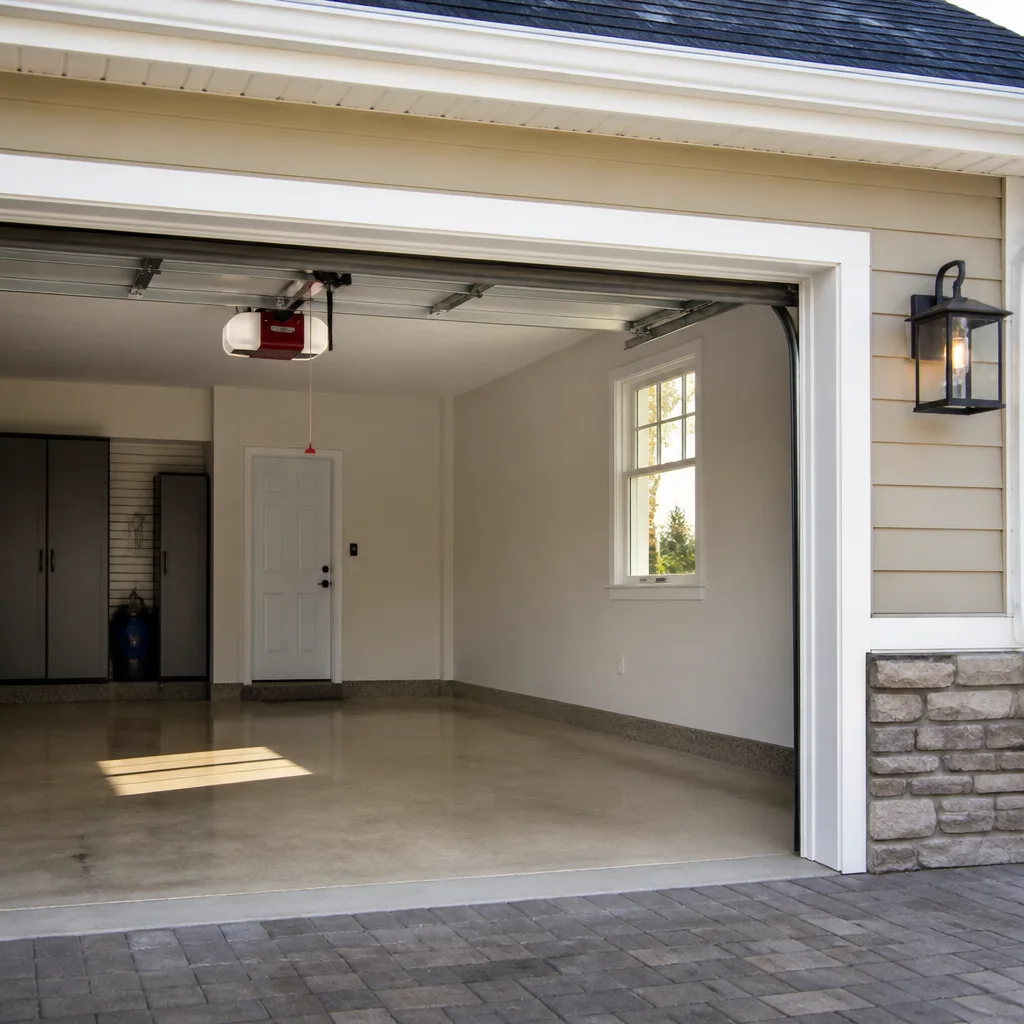 LiftMaster openers
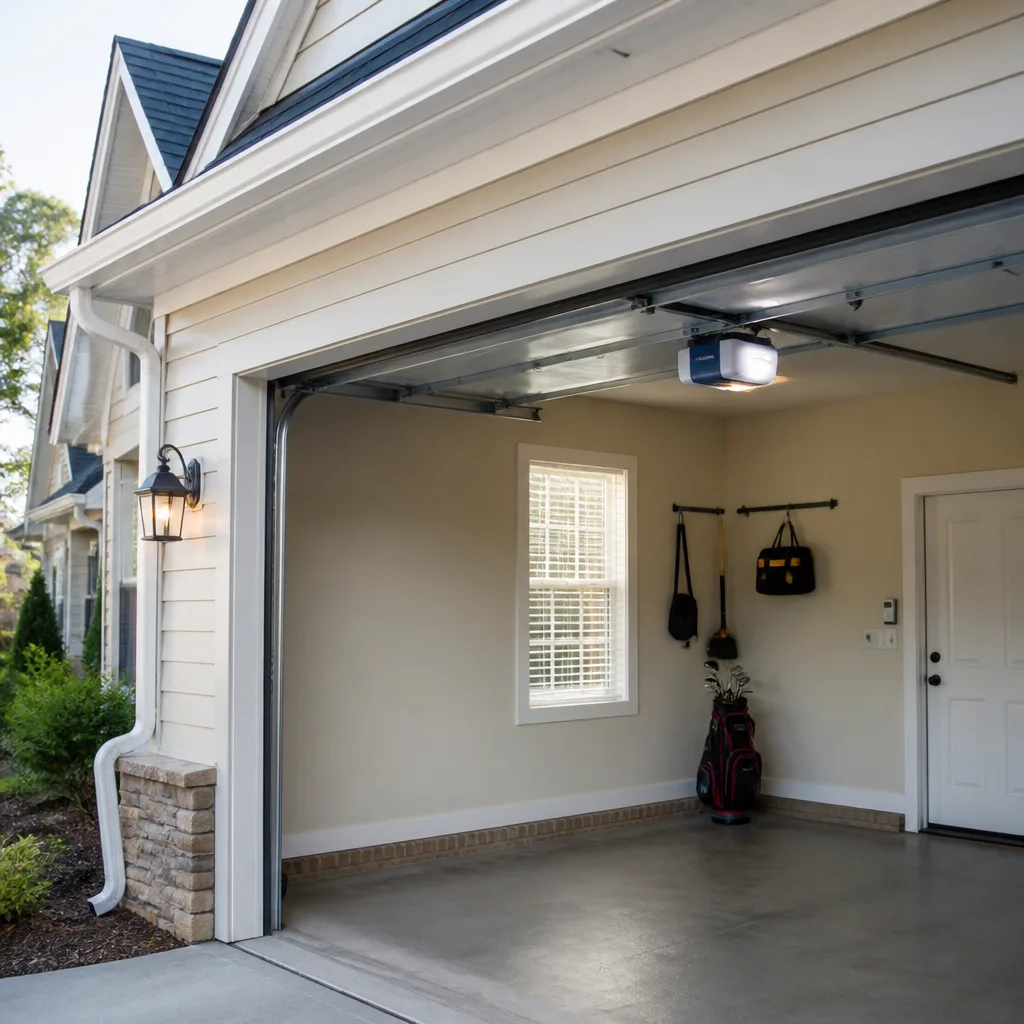 Chamberlain openers
Full 25-point door and opener safety check with every visit - springs, cables, rollers, tracks, and your LiftMaster or Chamberlain opener included
You get a price before we start. It does not change when the pro arrives.
Get your free estimateSeasonal Garage Door Care for Middletown: Year-Round Homeowner’s Guide
Most homeowners think about their garage door twice: when it breaks, and when they paint the house. That’s the mistake. A garage door is the largest moving object on a residential property, and in Middletown it runs through a full four-season cycle every year that quietly works on every seal, spring, cable and hinge. We get more emergency calls in the first cold week of November than any other stretch of the year, and almost all of them trace back to a 20-minute check in October that never happened. This guide walks through what each season actually does to your door, the specific one-hour task list that prevents the calls we get every January and every April, and how to spot the small problems before they turn into a door that won’t open.
Quick Answer
Seasonal garage door care in Middletown means four short check-ups a year: weatherstripping and opener force adjustment before the first freeze, a spring and track inspection in the cold months, a post-thaw check of the bottom seal and cables in spring, and a humidity and UV review in summer. Each takes about an hour and catches the wear that this region’s freeze-thaw cycle creates. Skip them and the failures show up as broken springs in January and off-track doors in April.
Styles & brands we work with
- Raised-panel steel
- Carriage house
- Modern flush
- Full-view glass
- LiftMaster openers
- Chamberlain openers
Table of Contents
- Why Seasons Hit Garage Doors Harder in Middletown
- Fall Prep: The Check That Prevents Most Winter Calls
- Winter: What a Sluggish Door Is Telling You
- Spring: The Post-Thaw Inspection
- Summer: Humidity, UV and Heat
- The Master Supply List Every Middletown Homeowner Should Keep
- Common Mistakes to Avoid
- When to Call a Professional
Why Seasons Hit Garage Doors Harder in Middletown
Middletown does not have mild seasons, even though the Midwest is often described that way. It has a freeze-thaw cycle that runs from late fall into early spring, and every one of those cycles moves your garage door a little. Materials expand when it’s warm and shrink when it’s cold. Rubber seals that stayed pliable all summer go stiff in a hard freeze. Wood panels swell in July humidity and contract again in October. Steel tracks pick up condensation, then rust, then grip the rollers a little tighter than they should.
The result is that a door which worked fine in September starts dragging in November. Homeowners often hear the sound and assume the opener is failing. Usually it’s the door itself – a stiff seal, a dry hinge, a track that’s a millimeter out of alignment – and the opener is just working harder to compensate.
Middletown’s housing stock varies too. Older homes near downtown tend to have heavier wood doors and older openers that have less tolerance for seasonal drag. Newer subdivisions on the edges of town often have insulated steel doors with tighter seals, which hold up better but still need attention. Either way, the schedule is the same.
Here’s the important part: seasonal care is not about doing repairs. It’s about noticing small changes before they compound. A bottom seal that’s starting to crack in October is a $30 part. The same seal after a January freeze can let water into the door frame and cause a repair that costs ten times more. We work on garage doors every day, and the pattern is consistent – the calls that come in during a cold snap almost always trace back to something that was visible weeks earlier.
Fall Prep: The Check That Prevents Most Winter Calls
Fall is the single most important season for garage door care in Middletown, and it’s also the one homeowners skip most often because the door still works. The goal of the fall check is to get every flexible part of the door into cold weather in the best possible condition, because once the first hard freeze hits, rubber gets brittle and adjustments get harder to make safely.
The Fall Task List
- Inspect the bottom seal. Get on the floor with a flashlight and look at the rubber strip along the bottom of the door. It should be soft and continuous. Any cracking, flaking or gaps mean it needs replacing before the first freeze – a stiff seal can tear free in cold weather and drop the door’s seal against wind and water.
- Check the perimeter weatherstripping. The vinyl or rubber strips around the door opening should sit snug against the door face. If you can see daylight through any gap, cold air is getting in, and the seal will only get worse as it contracts in the cold.
- Test the opener’s force adjustment. Cold weather makes a door heavier to lift. Openers have force settings that need to be matched to the door’s actual weight. If your opener is set right at the edge of its limit in warm weather, it will reverse or stall when the door gets stiff in January. Check the owner’s manual for your opener’s adjustment method – LiftMaster, Chamberlain and Genie all publish how-to guides for their own units.
- Lubricate hinges, rollers and the torsion shaft. Use a garage-door-specific lubricant, not WD-40 or general household oil. The right lube stays put through cold weather; the wrong one attracts dust and dries out.
- Test the safety reverse. Put a 2×4 flat on the ground under the door and close it. The door should reverse on contact. This is the single most important safety test on any garage door, and it takes ninety seconds.
- Clear the tracks. Fall leaves, grit and debris collect in the tracks. Wipe them out with a rag and check the rollers for flat spots.
If you find a problem during the fall list – a cracked seal, a hinge that won’t take lube, a track that’s clearly out of alignment – that’s the moment to garage door repair before winter turns it into an emergency. Small problems are always cheaper in October than in January.
Winter: What a Sluggish Door Is Telling You
A garage door that opens slowly or hesitates in January is not lazy. It’s telling you something specific, and the sound it makes usually points to which of three things is happening.
If the door is slow but smooth
The door is heavier than it was in fall. Cold thickens lubricant, stiffens seals and shrinks every gap in the assembly. The opener is doing more work to lift the same weight. In this case the fix is usually lubrication and an opener force adjustment – both safe to do yourself, both covered in your opener’s manual.
If the door shudders or jumps
That’s a sign the door is binding somewhere in the tracks or hinges. Cold makes steel tracks contract slightly, and a track that was a hair tight in summer can grip the rollers in winter. It also makes dry hinges grip harder. Shuddering is worth fixing early because the binding puts strain on the opener motor and on the spring.
If the door won’t open or the opener strains and stops
This is often a broken or weakening spring. We see more spring failures in January than any other month, and it’s because the spring has been cycling through freeze-thaw for weeks and finally ran out of tolerance. Never try to adjust, wind or replace a torsion spring yourself. The spring system holds the entire weight of the door in tension, and releasing that tension incorrectly can cause serious injury. Spring work belongs to a trained technician – it’s one of the reasons garage door spring repair is a service we treat as genuinely important rather than routine.
Winter is also the season when a stuck door creates the most inconvenience. If the car is inside and the door won’t open, everything stops. That’s why we offer emergency response for stuck and broken doors – a door that fails in a cold snap shouldn’t wait for a weekday appointment slot three days out.
Two winter habits worth keeping: don’t force a sluggish door repeatedly (each cycle strains the opener further), and don’t pour de-icer or salt near the bottom seal. Salt is hard on the rubber and it tracks into the tracks from vehicle tires.
Spring: The Post-Thaw Inspection
Spring in Middletown is when the effects of winter become visible. The ground thaws, condensation runs down the inside of the garage, and every part of the door that was stressed by the cold season shows its wear. This is the second most important check of the year.
The Spring Task List
- Re-inspect the bottom seal. The same seal you checked in the fall has been through a full winter of cold, ice and salt. Look for new cracks, hardening, or sections that have pulled away from the door. A bottom seal that fails in spring lets water pool at the base of the door, which can work into the frame.
- Check tracks for rust. Road salt tracked in by vehicle tires settles on the tracks and starts to rust them. Rust on a track creates drag on the rollers and accelerates wear. Wipe down any rust spots with a wire brush, then lubricate. If the rust is deep or the track is bent, the track needs professional attention.
- Inspect cables for stretch or fraying. Cables on both sides of the door should be taut with no frayed strands. Winter cycling – thousands of open-and-close cycles through below-freezing weather – can stretch cables, and stretch means the door hangs slightly unevenly. Frayed cables should never be handled by a homeowner; they’re under high tension.
- Check the door balance. Disconnect the opener (pull the emergency release) and lift the door by hand to about halfway. It should stay where you leave it. If it drops, the spring is losing tension. If it wants to rise, the spring is over-tensioned. Either way, a technician should look at it.
- Test the safety reverse again. It’s a spring ritual worth repeating, because the sensors and the reverse function are what protect people and pets.
- Look at door panels for moisture. If you have a wood door, spring is when you’ll see warping, peeling paint or soft spots from winter moisture. Catch these early with paint and sealant before summer humidity adds to them.
If any of these checks turn up something you’re not confident handling, especially cables or springs, that’s a call-it-in moment. We see the same problems in every Middletown neighborhood after a hard winter, and they’re all easier to fix in April than they’ll be in July.
Summer: Humidity, UV and Heat
Summer is the season homeowners assume is easiest on a garage door, and for steel doors it mostly is. But Middletown’s summer humidity and UV exposure do real work on certain components, and an uninsulated garage can get hot enough to stress an opener motor.
Wood doors: swelling and warping
Wood panels absorb humidity in summer and swell slightly. Doors that fit perfectly in April can stick in June. If you have a wood door, summer is the time for a fresh coat of exterior-grade paint or stain, especially on the bottom edges closest to the ground where moisture settles. Also look for panels that have started to cup or warp. A slightly warped panel can usually be stabilized; a badly warped one distorts the whole door’s fit in the tracks.
Rubber seals: UV degradation
The bottom seal and perimeter weatherstripping are rubber or vinyl, and UV light breaks both down over time. Summer is when you’ll notice the seal getting chalky, dry or brittle on sunny days. A seal that’s already cracked from winter will degrade faster in summer. Replacement seals are inexpensive – this is one of the easiest fixes on the whole door.
Opener heat sensitivity
An uninsulated garage in an Ohio summer can reach temperatures that push an opener motor near its limit. If your opener starts hesitating or reversing on the hottest days, it’s often heat, not the motor failing. Make sure the opener housing has clearance for airflow and isn’t crowded by stored items. Genie and Chamberlain openers have thermal protection built in that will shut the unit down if it gets too hot; if that’s happening, the cause is usually airflow and the fix is often simple.
Hardware and tracks
Humidity accelerates rust on springs, hinges and cables. A light garage-door-specific lubricant applied in late spring and again in late summer is one of the highest-value five-minute tasks on the whole list. It’s also the single easiest way to extend the life of the rollers and hinges.
The Master Supply List Every Middletown Homeowner Should Keep
A basic shelf of supplies lets you handle the small seasonal tasks without a service call, and it lets you recognize a bigger problem before it becomes an emergency. Here’s what we suggest every Middletown homeowner keep in the garage.
- Garage-door-specific lubricant (silicone or lithium-based spray made for garage doors – not WD-40, which is a solvent, not a lubricant)
- Replacement bottom seal, matched to your door’s width – cut to length once you know the size
- Replacement perimeter weatherstripping for the sides and top
- A stiff-bristle brush and a wire brush for clearing tracks and rust spots
- Clean rags for wiping down tracks and applying lubricant
- A 2×4 offcut for the safety reverse test
- A flashlight you can lay flat on the floor to inspect the bottom seal
- Exterior-grade paint or stain if your door is wood
- Your opener owner’s manual (or the model number written inside the opener door) so you know how to adjust force settings
- Photos of your door and opener on your phone, so if you do have to call for help, we can often identify what to expect before we arrive
This shelf costs very little and covers about 80 percent of the seasonal tasks we’ve described. The other 20 percent – springs, cables, track alignment, opener motor work, and any structural repair – relies on training and tools that aren’t practical for a homeowner to keep.
Common Mistakes to Avoid
- Using WD-40 as a lubricant. It’s a solvent that cleans well but leaves metal dry. Dry metal wears faster, and in cold weather it can actually attract grit. Use a garage-door-specific lube instead.
- Forcing a stiff door in cold weather. Each cycle strains the opener motor and puts extra wear on the springs. If the door is struggling, stop and diagnose rather than pushing it open again and again.
- Skipping the fall weatherstripping check. A seal that looks fine in September can crack the first time it goes through a hard freeze. That’s why we check in October, not December.
- Adjusting the opener force way out of spec. Turning the force setting up until the door moves is not fixing the problem – it’s hiding it. If the door is binding, the opener isn’t the right place to compensate.
- Ignoring a track that’s out of alignment. A bent track is often a five-minute adjustment when it’s small, and a door that’s jumped the track when it’s not. Don’t wait for the door to come off.
- Letting summer go by without checking the wood door. Humidity damage in Middletown is gradual but real, and repainting in July is much easier than replacing panels in October.
- Handling springs or cables yourself. This is the biggest one. The spring system holds hundreds of pounds of tension, and an injury from a released spring happens in an instant. Springs and cables are always a professional job – any local garage door specialist will tell you the same.
When to Call a Professional
Some seasonal care is genuinely homeowner work. Some isn’t. Call a professional if you notice any of the following: a broken or sagging spring or any spring you suspect has lost tension; a door that has come off the track or is visibly crooked; frayed or slack cables; a door that reverses without a command or won’t stay closed; an opener that strains, overheats, or cycles unexpectedly; and any door that feels unsafe or heavier than usual when you lift it by hand.
If you’ve done the seasonal checks and something still doesn’t sound or feel right, that’s also a reason to call. A trained eye often spots a track issue or a hinge problem within seconds that can take a homeowner an hour to diagnose.
Garage Door Repair Middletown Pros offers free estimates in Middletown. Call (833) 508-9328 to book one, or to arrange emergency service if the door is stuck and the garage isn’t secure. Our technicians have up to 9 years of experience, we work on all major brands – LiftMaster, Chamberlain, Genie, Clopay, Amarr, Wayne Dalton, Craftsman and Raynor – and we don’t charge for the estimate. If we can safely get the door working again the same day we will, and if it needs a part we’ll tell you the price before any work starts.
See the difference
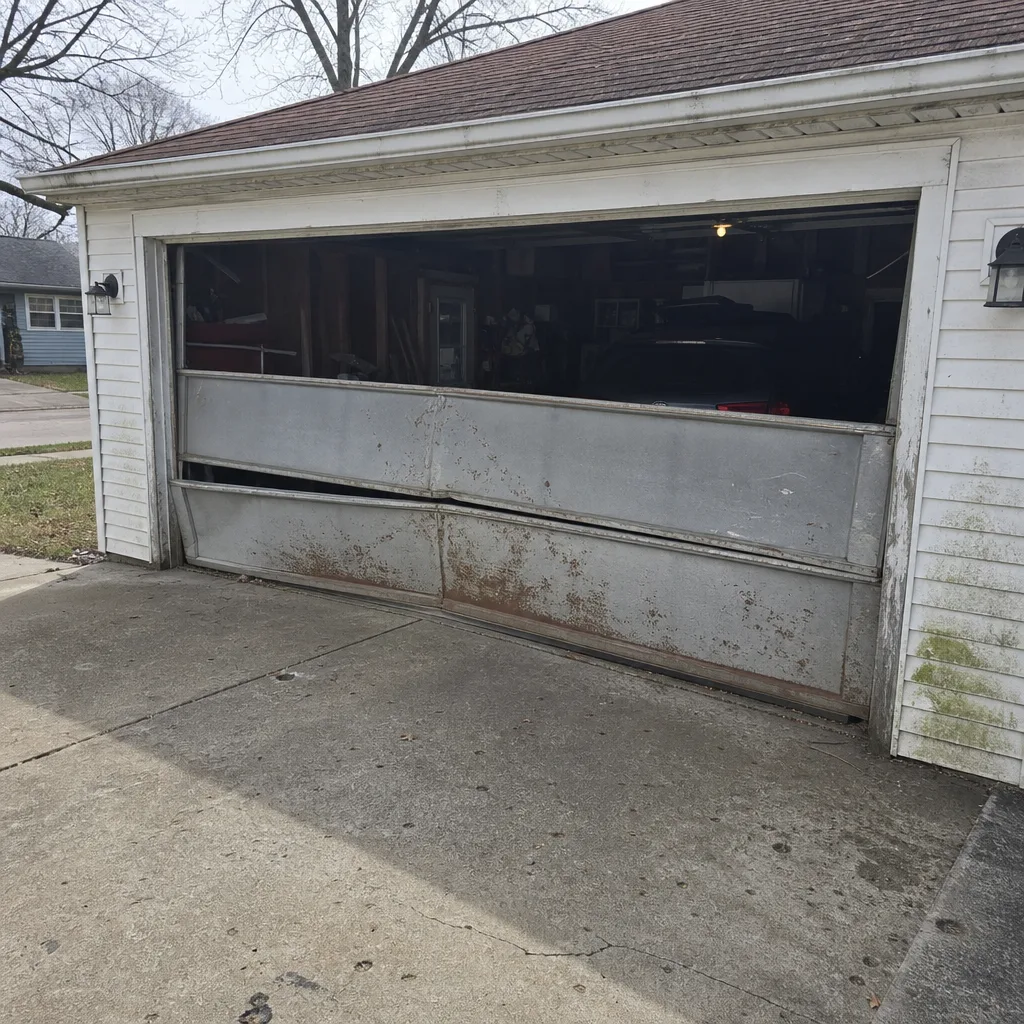 Before
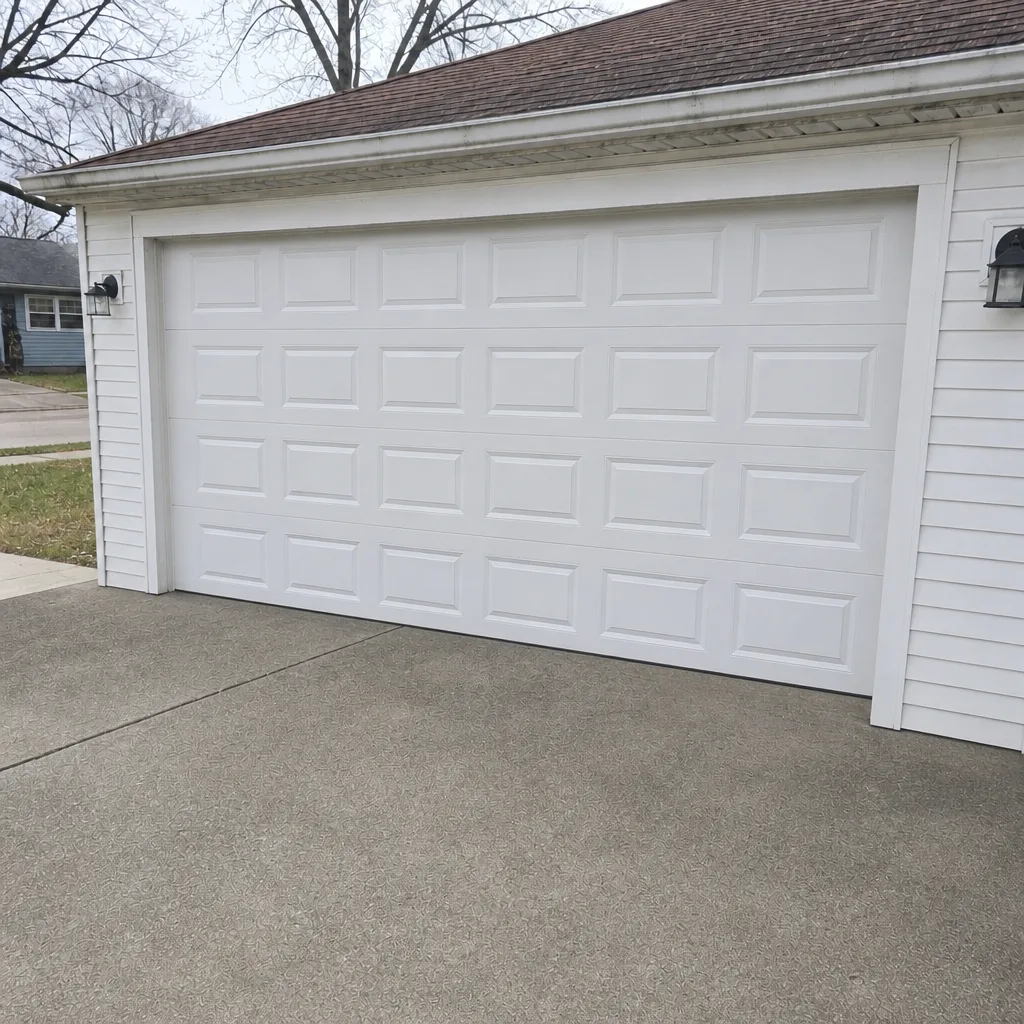 After
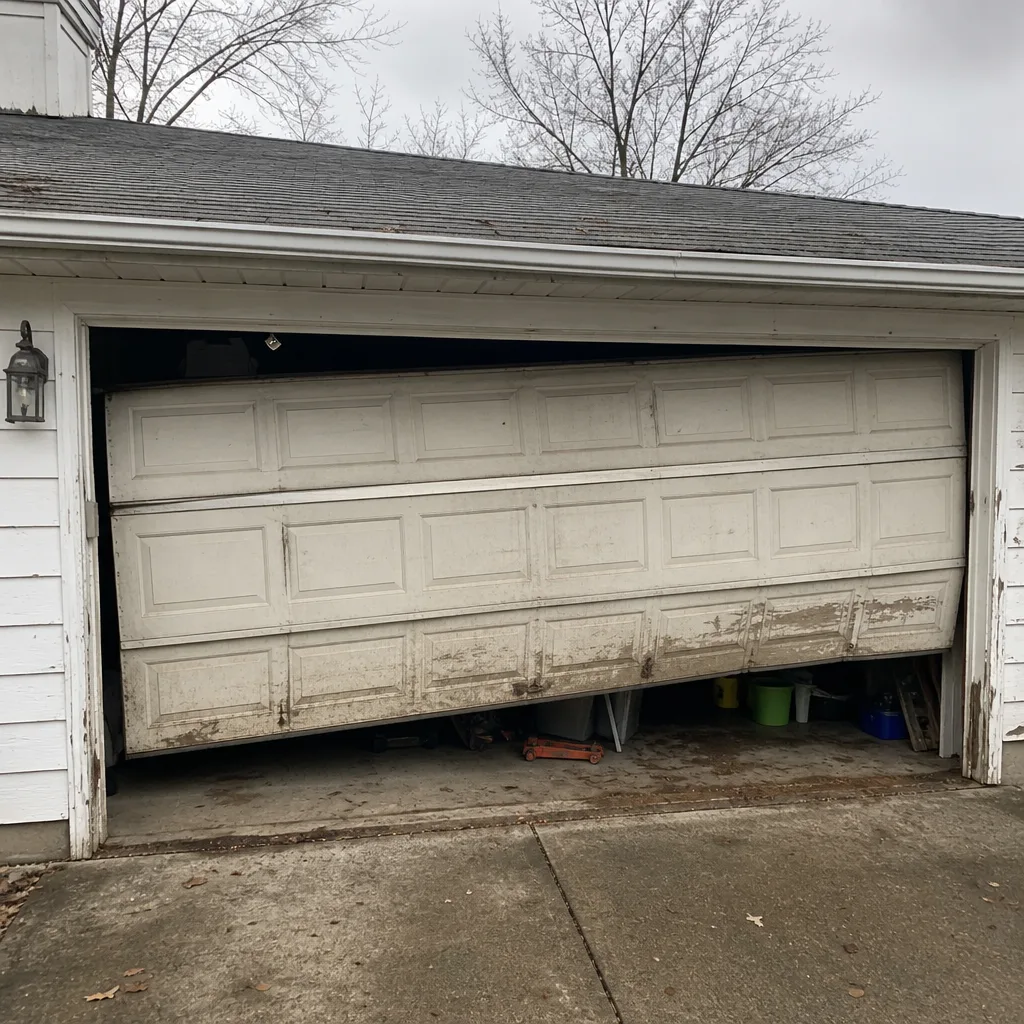 Before
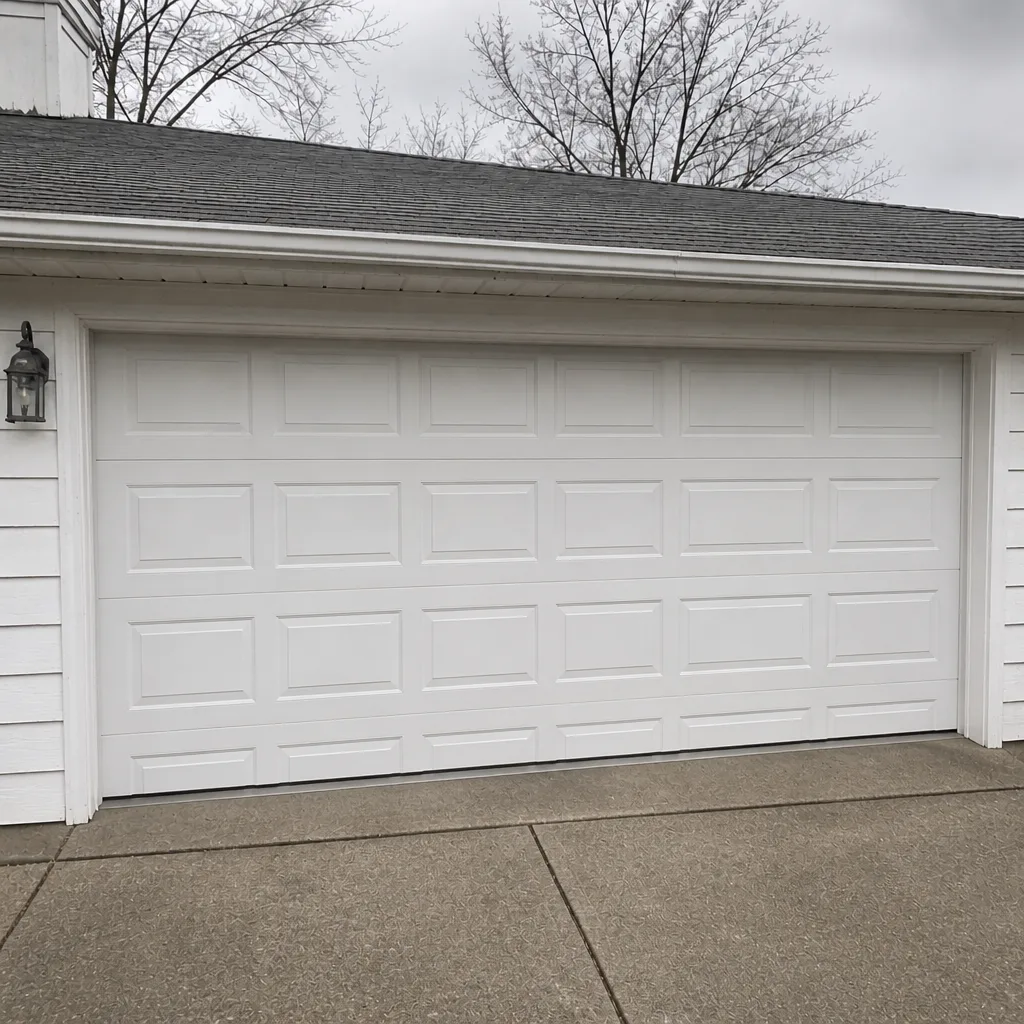 After
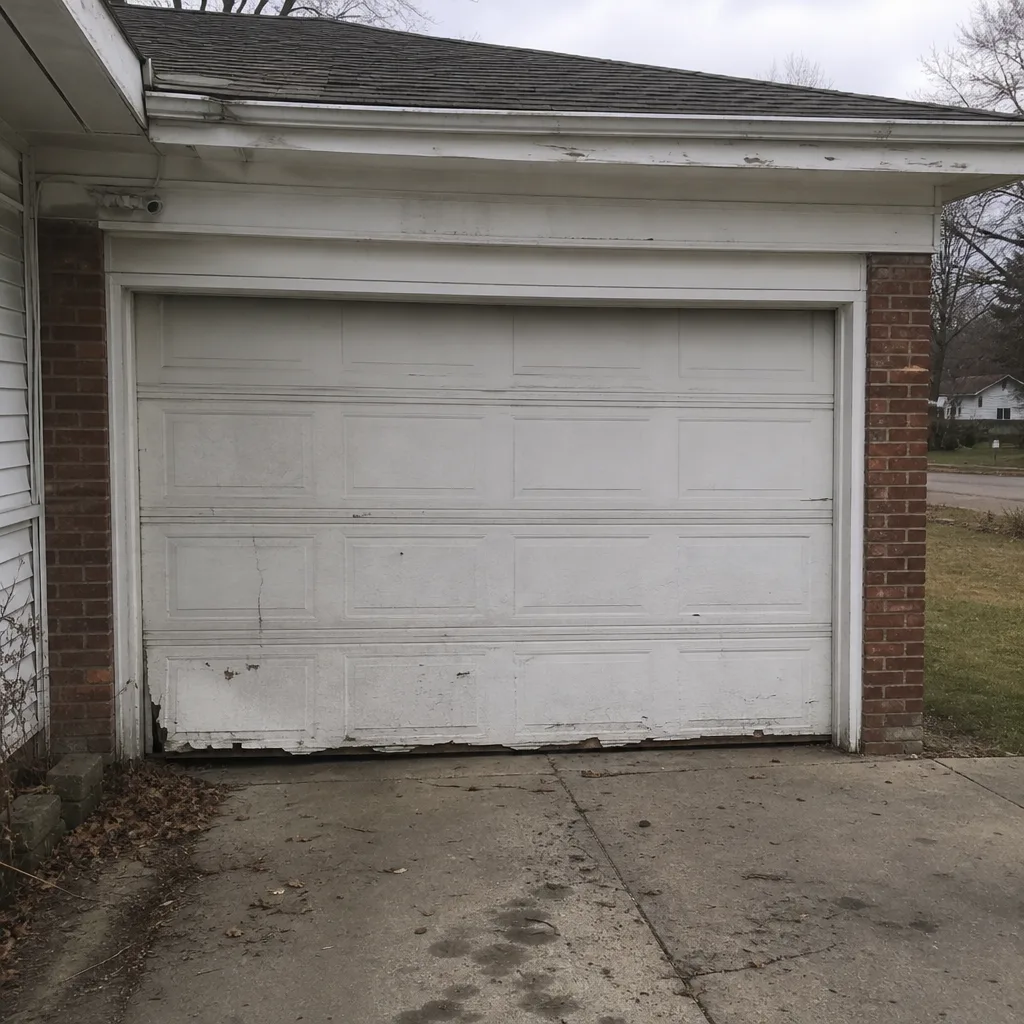 Before
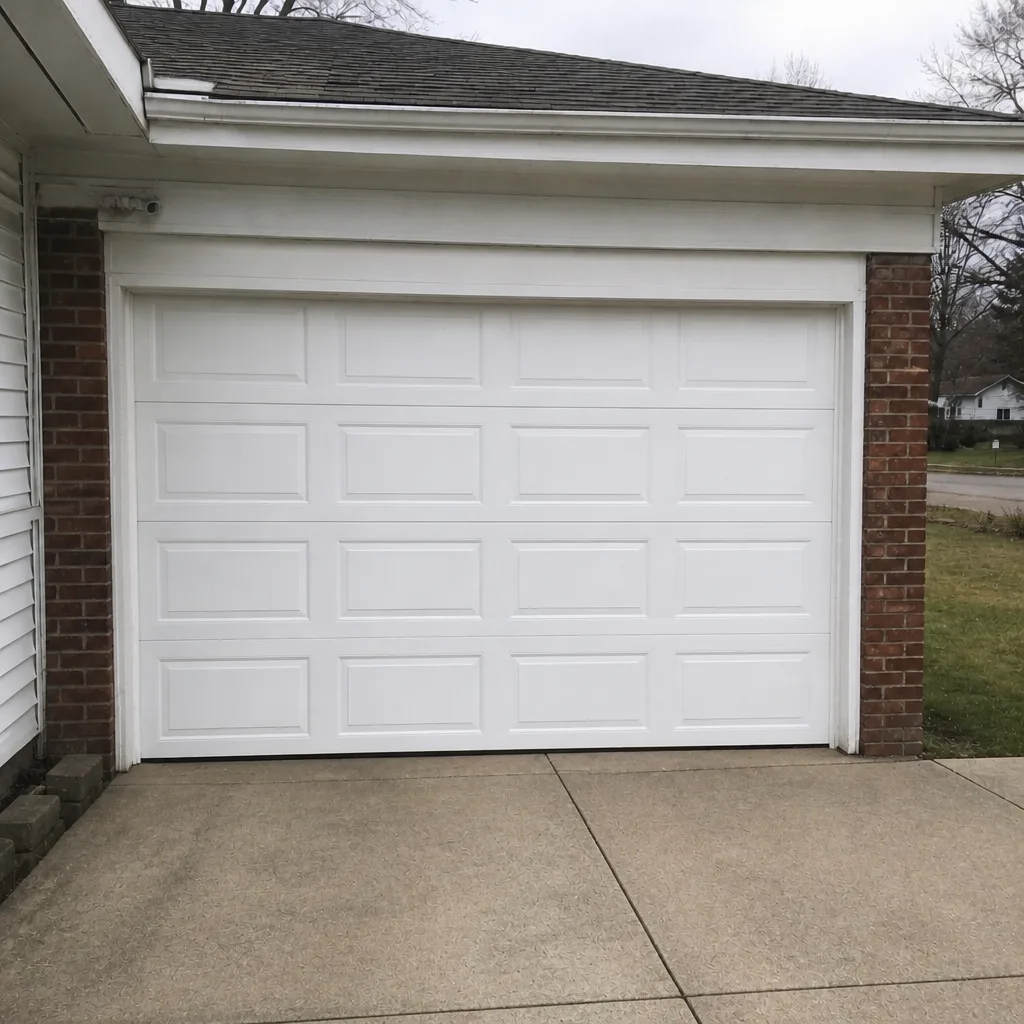 After
Frequently Asked Questions
Yes, and it’s the highest-value hour of the year on the whole door. Middletown’s freeze-thaw cycle in winter, humidity in summer, and fall leaf debris put more stress on a garage door than the Midwest’s mild-seeming climate suggests. Seasonal checks catch the small stuff – seals, hinges, weatherstripping, force settings – before it turns into a spring failure, an off-track door, or an opener that gives out mid-season.
The bottom seal and the perimeter weatherstripping. Both are rubber or vinyl, and once they go through a hard freeze, they stiffen and crack quickly. Checking them in October and replacing anything that’s already torn takes about twenty minutes and prevents the cold-air, water, and seal-failure problems that make winter miserable. Force settings on the opener are the second most important check – a door that gets heavier in January needs headroom the opener doesn’t have by default.
Cold weather thickens lubricant, stiffens seals, and shrinks metal slightly, all of which make the door heavier and the tracks a touch tighter. The sound you’re hearing is usually one of three things: lubricant that needs refreshing, a seal that’s gone stiff, or a track that’s binding. Lubricating hinges and rollers and checking the tracks yourself is safe; if the door is squealing or shuddering loudly, that’s a sign of binding worth having looked at before it strains the opener.
Most minor repair calls in Middletown fall in a typical range of $120 to $350, but the exact price depends on what’s wrong, what part is needed, and how accessible the door is. Spring work runs higher than a hinge or track adjustment. We quote every job in a written estimate before any work starts, so you know the number and agree to it before we touch the door. Call (833) 508-9328 for a free estimate.
Yes, lubrication is safe for a homeowner and it’s one of the best seasonal habits to build. Use a garage-door-specific silicone or lithium spray on hinges, rollers and the torsion shaft – not WD-40, which cleans but leaves metal dry. Do it once before winter and again in late spring. If your door has never been lubed or it’s been years, bring it up during your estimate and a technician can do a full clean-and-lube along with a track inspection.
No. We quote the job in writing before work starts, and that’s the price. If a technician finds a bigger problem than anticipated, we stop and re-quote rather than proceeding – you’ll always have the option to decline or to change course before anything further is done. That’s the standard for any garage door service we provide in Middletown.
The Bottom Line
Seasonal garage door care in Middletown comes down to four one-hour checks a year: fall prep for the freeze, winter attention to a sluggish door, spring inspection for post-thaw damage, and summer attention to humidity and UV. Keep a small shelf of supplies, test the safety reverse each season, and never touch springs or cables yourself. The calls we get every January and every April are almost all tied to something that was visible six weeks earlier – a cracked seal, a dry hinge, a track that was slightly out of line. If you’d rather have a trained set of eyes on it, our technicians have up to 9 years of experience, we work on every major brand, and we can walk through what we find without upselling you into a replacement you don’t need. Call (833) 508-9328 for a free estimate and we’ll leave you with a clear plan for the season ahead, whether that’s a small fix, a full garage door opener repair, or just advice on the supply list.
If you’ve seen the same seasonal wear we see across Middletown, an annual rhythm of free estimates and same-visit repairs – whether that’s a spring, a bottom seal, or a full Garage Door Repair Middletown Pros assessment of the entire opener and door system – will keep your door working through every season without surprises.
Written by the team at Garage Door Repair Middletown Pros.